
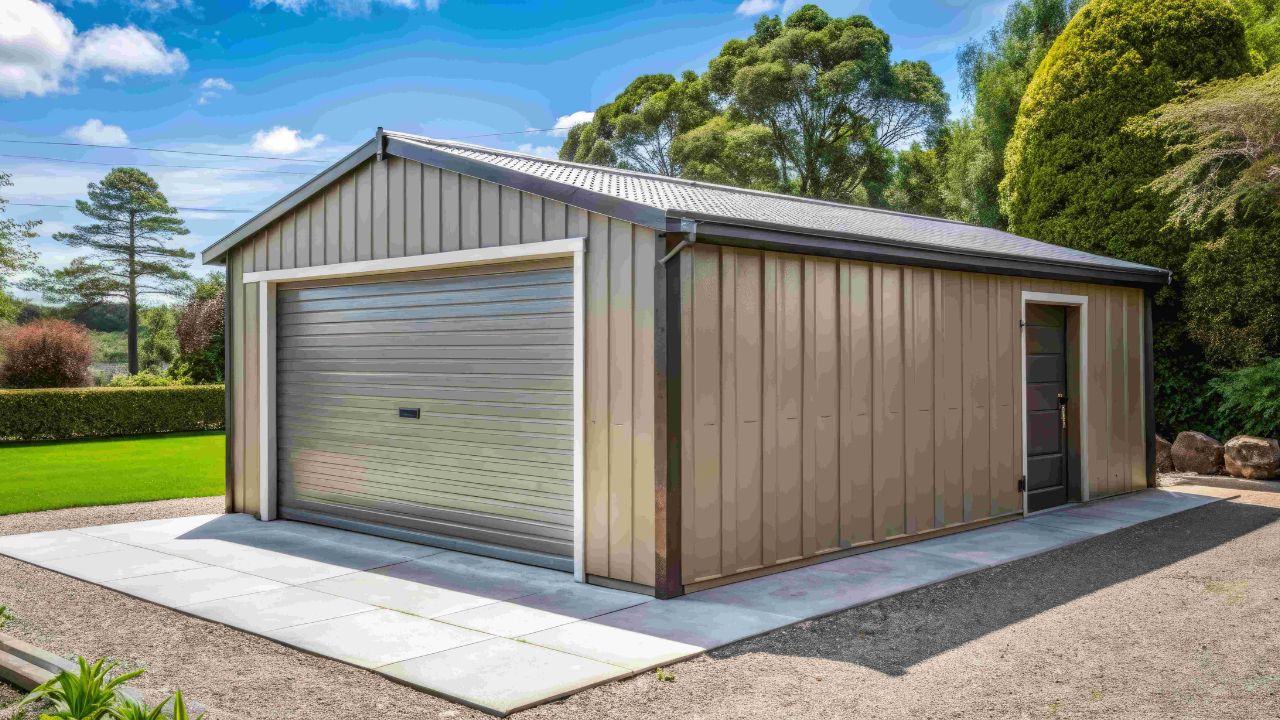
Everything You Need to Know About the Cost to Build a Garage Today
A garage is more than just a shelter for your vehicles. It is an investment that enhances the functionality, safety, and value of your home. Modern garages can serve as storage spaces, workshops, hobby areas, or even additional home offices. Whether you’re considering a small single-car garage or a large multi-car structure, understanding the expenses involved is essential for proper budgeting and planning.
For homeowners interested in a reliable estimate of the cost to build a garage today, platforms like Mynex House Project provide detailed insights into construction expenses, material choices, labor estimates, and expert tips for a smooth building process.
Why Building a Garage is a Smart Investment
Protection and Safety
A garage shields vehicles from harsh weather, theft, and accidental damage. Covered parking prevents rust, fading, and other weather-related issues, ensuring your vehicles stay in top condition.
Versatility and Functionality
Garages are no longer just for cars. Modern designs allow homeowners to use them for:
- Storage for seasonal items, tools, and equipment
- Workshops or DIY hobby areas
- Exercise rooms, craft studios, or small offices
Boosting Property Value
Adding a garage can increase your home’s market value. In many regions, potential buyers view a garage as an essential feature, making it a wise investment for long-term gains.
Key Considerations Before Building a Garage
Garage Type
- Attached Garages: Share a wall with your home, making them more convenient and generally less expensive to build.
- Detached Garages: Offer flexibility in placement and design, ideal for workshops, studios, or additional storage.
Determining the Right Size
- Single-car garages: Compact and cost-effective.
- Two-car garages: Offer extra storage and work space.
- Three-car or larger garages: Ideal for multiple vehicles, hobby areas, or large storage needs.
Intended Use
Identify whether the garage will be primarily for parking, storage, or multifunctional use. This decision influences materials, finishes, and utilities.
Factors That Affect the Cost to Build a Garage Today
Several elements contribute to overall expenses:
Material Selection
Material choice significantly impacts the cost and durability of your garage:
- Wood framing: Affordable, easy to customize, and widely available.
- Steel or metal buildings: Durable, low-maintenance, slightly higher initial investment.
- Concrete block or brick: Long-lasting but more labor-intensive.
Roofing materials, such as asphalt shingles or metal roofing, also affect overall costs.
Labor Costs
Hiring professional contractors ensures quality and safety. Labor costs vary by region, project complexity, and contractor experience.
Foundation and Site Preparation
A reinforced concrete slab is standard for garages. Excavation, grading, and soil reinforcement may increase costs depending on site conditions.
Utilities and Interior Features
Basic electrical wiring, outlets, lighting, and garage doors are essential. Optional features such as heating, plumbing, or HVAC systems will add to the budget.
Finishes and Insulation
Insulated garages improve comfort and energy efficiency. Interior finishes like shelving, cabinets, or epoxy flooring enhance usability but increase costs.
Step-by-Step Garage Construction Process
Understanding the construction process helps homeowners manage budgets and timelines effectively.
Step 1: Obtain Permits
Secure necessary permits to comply with local building codes.
Step 2: Prepare the Site
Clear debris, level the ground, and prepare the site for a strong foundation.
Step 3: Lay the Foundation
Pour and cure a reinforced concrete slab to support the garage structure.
Step 4: Framing
Construct walls, roof trusses, and supports according to design specifications.
Step 5: Exterior Finishing
Install siding, roofing, windows, and doors to protect the garage and improve aesthetics.
Step 6: Interior Work
Install insulation, electrical wiring, lighting, outlets, and storage solutions.
Step 7: Final Inspection and Cleanup
Complete inspections to comply with building regulations, clean the site, and address minor adjustments.
Common Mistakes to Avoid
- Underestimating Space: Plan for future storage, vehicles, or hobbies.
- Choosing Low-Quality Materials: Leads to higher maintenance costs over time.
- Ignoring Ventilation: Proper airflow prevents moisture, mold, and odors.
- Neglecting Storage Planning: Pre-plan shelves and overhead storage for efficiency.
Tips for Saving on Construction Costs
- Simplify Design: Rectangular garages are easier and cheaper to build.
- Compare Contractor Quotes: Obtain multiple estimates for competitive pricing.
- Use Standard Materials: Avoid custom doors or windows unless necessary.
- Plan Ahead: Mid-project changes often increase costs.
- Consider Off-Season Construction: Contractors may offer lower rates during slower months.
Conclusion
The cost to build a garage today varies depending on size, materials, labor, location, and level of customization. Proper planning and using reliable resources like Mynex House Project ensures you can build a functional, durable garage that meets your needs without exceeding your budget.
A well-designed garage protects your vehicles, provides extra functional space, and enhances the long-term value of your home, making it a smart investment for any homeowner.