What to Consider When Choosing Embroidery Fabric for Detailed Designs
Selecting the right fabric is one of the most critical decisions in embroidery, particularly when working on detailed and intricate designs. While thread quality and machine precision are important, the fabric acts as the foundation that supports every stitch. An unsuitable fabric can distort patterns, weaken stitch clarity, and reduce the overall lifespan of the embroidered piece. For designers, manufacturers, and artisans, understanding fabric characteristics is essential to achieving professional results.
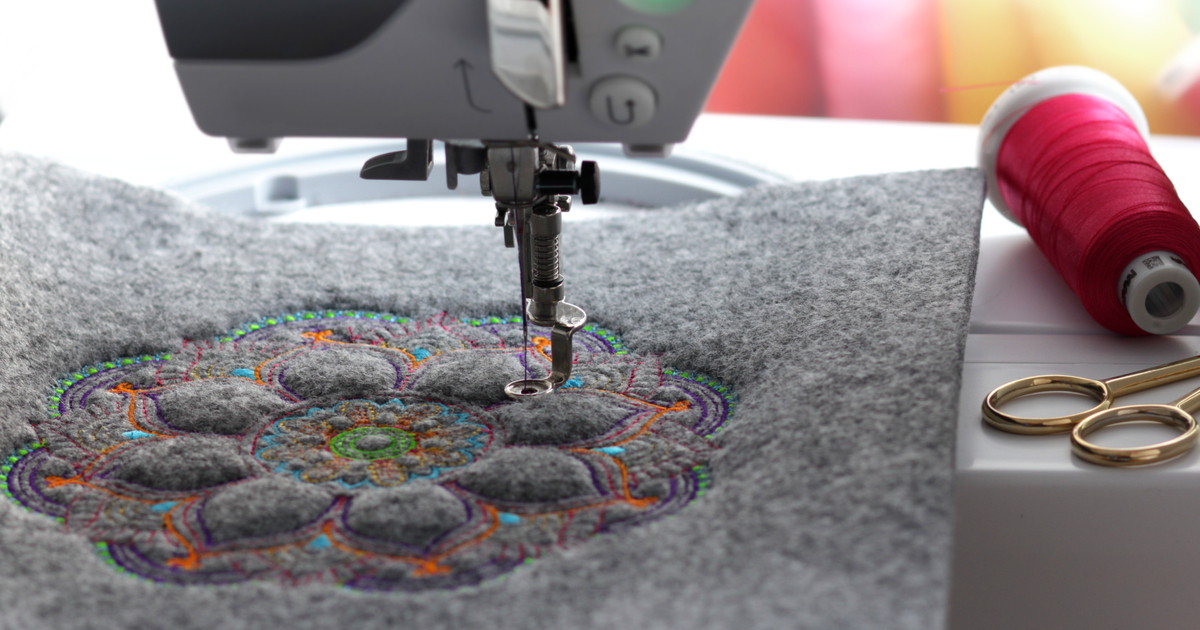
The choice of Embroidery Fabric often determines how well fine details translate from concept to finished product. Factors such as fiber composition, weave structure, and fabric weight influence stitch stability and visual sharpness. When these elements align with the design requirements, embroidery maintains its definition while the fabric retains its shape and durability.
Fabric Fiber Composition and Stability
Fiber composition plays a fundamental role in how a fabric responds to embroidery. Natural fibers like cotton and linen are commonly preferred for detailed designs because they offer balanced tension and predictable needle penetration. Their fibers grip stitches effectively, reducing slippage and maintaining clean outlines.
Blended fabrics can also perform well if their synthetic components are evenly distributed. However, highly elastic or slippery fibers may cause distortion, especially in dense or fine embroidery patterns. Stability is crucial when precision is required, as uneven stretch can alter stitch placement and compromise symmetry.
Weave Structure and Stitch Clarity
The weave of a fabric directly affects stitch definition. Tightly woven fabrics provide a smooth, uniform surface that supports crisp embroidery lines. Plain weaves, such as poplin or percale, are particularly suitable for detailed motifs because they minimize needle movement and fabric shifting.
Loose or open weaves, while visually appealing, may allow stitches to sink or spread, blurring fine details. For intricate designs, a consistent weave ensures that each stitch remains visible and evenly spaced. Designers often test small swatches to evaluate how a weave interacts with stitch density and thread weight.
Fabric Weight and Design Complexity
Fabric weight must align with the complexity of the embroidery design. Lightweight fabrics are ideal for delicate patterns but require careful handling to avoid puckering. Using stabilizers becomes essential in these cases to support the fabric during stitching and maintain surface smoothness.
Medium-weight fabrics offer greater versatility and are commonly used for detailed embroidery in garments and home textiles. Heavyweight fabrics can support dense stitching but may overpower subtle details if thread thickness and stitch spacing are not adjusted accordingly. Matching fabric weight to design intent helps preserve both clarity and balance.
Surface Texture and Visual Impact
Surface texture influences how embroidery appears visually and tactually. Smooth fabrics highlight fine lines and sharp edges, making them ideal for logos, lettering, and geometric designs. Textured fabrics, such as twill or canvas, can add depth but may obscure small details if the texture competes with the stitching.
Understanding how light interacts with fabric texture is also important. Smooth surfaces reflect light evenly, enhancing stitch definition, while textured surfaces absorb light differently, affecting contrast and visibility. Designers should consider the intended viewing distance and lighting conditions of the final product.
Durability and Long-Term Performance
Detailed embroidery often involves dense stitching, which places stress on the fabric. Durable fabrics resist tearing, stretching, and distortion over time, even with frequent use or washing. Fabrics with tightly bound fibers distribute stitch tension more evenly, reducing localized wear.
For applications such as uniforms, upholstery, or children’s textiles, durability becomes especially important. Choosing a fabric that maintains structural integrity ensures that detailed embroidery remains intact and visually consistent throughout the product’s lifecycle.
Compatibility with Stabilizers and Backings
Stabilizers are frequently used to support detailed embroidery, and fabric compatibility with these materials should not be overlooked. Some fabrics bond well with temporary or permanent stabilizers, enhancing stitch accuracy without altering texture. Others may react poorly, leaving residue or stiffness after removal.
Testing fabric and stabilizer combinations before full production helps identify potential issues. Proper pairing improves stitch placement and reduces the risk of fabric distortion once the stabilizer is removed.
Application-Specific Fabric Selection
The intended use of the embroidered item should guide fabric selection. Apparel requires comfort, breathability, and flexibility, while decorative textiles may prioritize structure and visual impact. Corporate or branded embroidery often demands fabrics that balance detail clarity with long-term durability.
By aligning fabric properties with end-use requirements, designers can ensure that intricate embroidery performs as expected in real-world conditions.
Achieving Precision Through Informed Fabric Choice
Choosing embroidery fabric for detailed designs is a technical decision that blends material science with design intent. Fabric stability, weave consistency, weight, and texture all contribute to how effectively fine details are rendered and preserved. A thoughtful selection process minimizes production issues and elevates the quality of the finished piece.
When embroidery fabric is chosen with precision and purpose, detailed designs achieve clarity, durability, and a professional finish that reflects skilled craftsmanship and informed material selection.