How Power Punch Machines Handle Different Metal Types
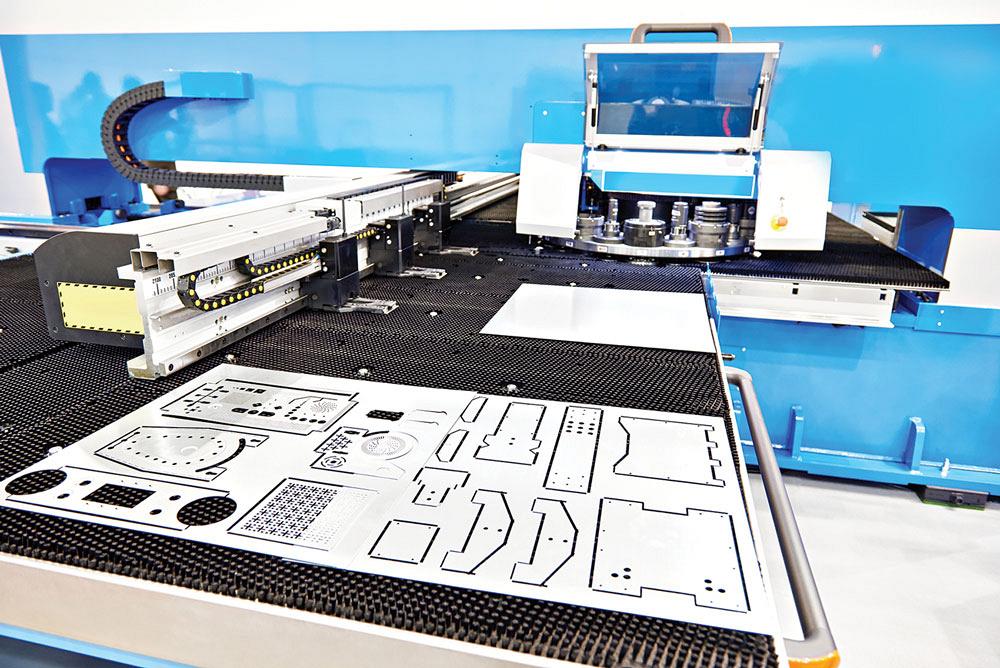
Power punch machines are versatile tools that play a critical role in metalworking industries, capable of cutting, shaping, and forming a wide range of metal sheets. Their adaptability allows manufacturers to process metals of varying thicknesses, strengths, and compositions while maintaining precision and efficiency. Understanding how these machines handle different metal types provides insight into their functionality and importance in modern manufacturing.
Adapting to Material Strength and Thickness
Different metals possess varying levels of hardness, tensile strength, and ductility, which directly impact how they can be punched. Power punch machines are designed to accommodate these variations by adjusting punching force, speed, and die selection. Softer metals, such as aluminum and copper, require less punching force and can often be processed at higher speeds without risking deformation. In contrast, harder metals like stainless steel or titanium demand greater force and slower operation to ensure clean cuts without damaging the machine or the workpiece. Many Power Punch Machine systems feature adjustable settings and interchangeable dies that allow operators to tailor the machine to specific materials and thicknesses.
Selection of Dies and Tooling
The choice of die and punch tooling is critical when handling different metal types. Softer metals may allow for standard tooling, while harder or thicker metals often require reinforced or specially coated dies to resist wear and maintain cutting accuracy. Tool geometry, clearance between the punch and die, and material composition all influence the quality of the cut and the longevity of the tooling. Manufacturers of power punch machines provide guidelines and specialized tooling options to ensure that each metal type is processed efficiently and safely. Proper tooling also minimizes material deformation and reduces the likelihood of burr formation, ensuring clean edges and consistent results.
Mechanical and Hydraulic Adjustments
Power punch machines operate using mechanical, hydraulic, or servo-driven systems, each of which offers advantages when processing different metals. Mechanical machines are suitable for high-speed punching of thinner or softer metals, while hydraulic systems provide the variable force and precise control required for thicker or harder materials. Servo-driven machines combine precision and flexibility, allowing operators to adjust punching speed, force, and stroke in real-time to accommodate changes in metal type or thickness. These systems ensure consistent quality across a wide range of materials while reducing stress on machine components.
Handling Ductile and Brittle Metals
Metals can also be categorized by their ductility and brittleness, affecting how they respond to punching. Ductile metals, such as aluminum or mild steel, can deform slightly without cracking, allowing for faster processing. Brittle metals, like certain alloys or hardened steels, are prone to cracking if excessive force or improper tooling is applied. Power punch machines compensate for these differences by adjusting punch speed, stroke, and pressure to minimize stress concentrations and prevent material failure. Operators can also select appropriate dies that support the edges and reduce the risk of cracking or chipping.
Thickness Variability and Multi-Layer Punching
Power punch machines are capable of handling a range of thicknesses, from thin sheet metal to heavier gauge plates. Adjustable settings for punch force, stroke, and die clearance allow machines to accommodate these variations without compromising accuracy. Additionally, some machines can punch multiple layers of metal simultaneously, which is particularly useful in fabrication processes that require uniform hole patterns across stacked sheets. Multi-layer punching improves production efficiency while maintaining consistent dimensions and reducing the need for secondary operations.
Advanced Control Systems
Modern power punch machines often feature advanced control systems, including programmable logic controllers (PLCs) and CNC interfaces, which enhance their ability to handle different metals. These systems allow operators to store pre-set programs for various materials, including specifications for force, speed, and stroke. The machine can then automatically adjust to the selected program, ensuring precise cuts and consistent results. Sensors can also monitor material thickness and hardness in real-time, further refining machine settings for optimal performance.
Material-Specific Maintenance Considerations
Processing different metals also affects maintenance schedules and procedures. Harder metals or abrasive alloys can increase wear on punches and dies, requiring more frequent inspection and replacement. Proper lubrication and cleaning are essential to prevent material buildup and maintain smooth operation. By following material-specific maintenance protocols, manufacturers can ensure that their power punch machines continue to operate efficiently regardless of the type of metal being processed.
Conclusion
The versatility of a Power Punch Machine allows it to handle a wide range of metal types, from soft aluminum and copper to hard stainless steel and titanium. Through adjustable force, speed, die selection, and advanced control systems, these machines maintain precision, efficiency, and durability across different materials. By understanding the unique requirements of each metal type and applying appropriate settings and tooling, manufacturers can optimize production, reduce waste, and ensure high-quality results in all metalworking applications. Power punch machines remain an indispensable tool for modern industry due to their adaptability and reliability in handling diverse metal materials.