Materials Commonly Used in Fast Food Box Manufacturing
Fast food boxes play a critical role in the modern food industry, providing safe, convenient, and visually appealing packaging for a wide range of meals. The choice of material in manufacturing these boxes directly impacts their functionality, durability, and sustainability. Understanding the types of materials commonly used helps food businesses make informed decisions about packaging that ensures food safety, maintains temperature, and enhances the customer experience.
Fast food boxes are manufactured using a variety of materials, each selected for its specific properties, such as strength, grease resistance, or heat retention. A reliable Fast Food Boxes supplier provides options tailored to different types of meals, including burgers, fries, sandwiches, and combo meals. These suppliers often offer customizable solutions in terms of size, shape, and material, allowing restaurants and delivery services to meet both functional and branding requirements.
Paperboard: The Core Material
Paperboard is the most common material used in fast food box production. It is a thick, rigid form of paper that provides structural integrity while remaining lightweight. Paperboard boxes are ideal for holding burgers, sandwiches, and other solid foods because they maintain their shape under the weight of the meal.
Paperboard can be coated with various layers to enhance durability and resistance to moisture and grease. Coated paperboard helps prevent leaks and maintains the appearance of the box, ensuring that food stays presentable and safe during transport.
Kraft Paper: Strength and Sustainability
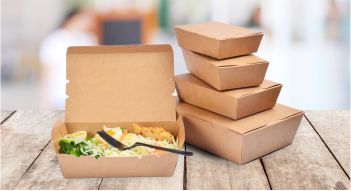
Kraft paper is another widely used material in fast food box manufacturing. Known for its natural brown color and high tensile strength, kraft paper is favored for eco-friendly packaging solutions. Its strong fibers make it resistant to tearing and punctures, which is important when packaging greasy or heavy foods.
In addition to its durability, kraft paper is biodegradable and recyclable, supporting environmentally responsible practices. Restaurants and food businesses often select kraft paper boxes to project a sustainable brand image while ensuring their meals are safely contained.
Coated and Grease-Resistant Paper
Fast food boxes often require additional coatings to prevent grease and moisture from soaking through the packaging. Common coatings include polyethylene (PE) or water-based alternatives that provide a barrier against liquids. These coatings are essential for fried foods, sandwiches with sauces, and meals containing oils or dressings.
Grease-resistant paper maintains the box’s structural integrity and prevents leaks, which is crucial for delivery and takeaway services. This material also enhances hygiene by keeping food separate from potential contaminants and protecting the packaging from breaking down during transport.
Molded Fiber and Pulp Materials
Some fast food boxes are made from molded fiber or pulp materials, particularly when the packaging needs to be compostable. Molded fiber is derived from recycled paper and other natural fibers, providing a sturdy and environmentally friendly alternative to conventional paperboard.
Molded fiber boxes are suitable for heavier items or meals that require multiple compartments, such as combo meals or meal trays. They are biodegradable and compostable, which makes them a preferred choice for eco-conscious businesses looking to reduce landfill waste.
Plastics for Specialized Applications
Although paper-based materials dominate fast food box production, certain applications still utilize plastics. High-quality, food-grade plastics such as polypropylene (PP) or polyethylene terephthalate (PET) are used for clear or insulated boxes. Plastic boxes are particularly useful for meals that need to retain heat or for cold items where visibility of contents is important.
Plastic boxes are durable, moisture-resistant, and suitable for repeated handling, making them ideal for situations where paper-based materials might not provide sufficient protection. However, due to environmental concerns, many suppliers now offer recyclable or reusable plastic options to balance durability with sustainability.
Combination Materials for Enhanced Functionality
In many cases, fast food boxes are manufactured using a combination of materials to optimize performance. For example, a paperboard box might include a thin plastic coating for grease resistance or a molded fiber tray with a paperboard lid for added strength. These combinations allow manufacturers to create packaging that is both functional and visually appealing while meeting hygiene and safety standards.
Sustainable Material Trends
Sustainability is becoming a major factor in fast food box manufacturing. Many suppliers focus on recyclable, biodegradable, or compostable materials to reduce environmental impact. Recycled paper, eco-friendly coatings, and molded fiber trays are increasingly popular choices. By selecting sustainable materials, businesses can demonstrate environmental responsibility and appeal to consumers who prioritize eco-friendly products.
Conclusion
The materials used in fast food box manufacturing are carefully chosen to ensure durability, food safety, and convenience. Paperboard, kraft paper, coated paper, molded fiber, and plastics each offer unique benefits that cater to different meal types and service requirements. Combination materials and eco-friendly options further enhance functionality and sustainability. Working with a reputable Fast Food Boxes supplier allows food businesses to select high-quality, reliable packaging that meets operational needs, maintains customer satisfaction, and supports environmental goals.