Comparing Different Door Types: Sliding, Folding, and Casement Options
Choosing the right door for your home or commercial space is more than just an aesthetic decision. Doors affect accessibility, energy efficiency, security, and overall comfort. With a variety of options available, understanding the benefits and drawbacks of each type is essential to make an informed decision.
This guide explores the most popular door types—sliding, folding, and casement doors—and helps homeowners select the best style for their needs.
Sliding Doors
Sliding doors operate by gliding horizontally along a track, offering a sleek and space-saving solution.
Advantages
- Space-saving: Sliding doors do not swing outward or inward, making them ideal for areas with limited space.
- Uninterrupted views: Large glass panels provide clear sightlines and abundant natural light.
- Easy operation: Smooth sliding mechanisms allow effortless opening and closing.
- Indoor-outdoor connection: Perfect for patios, balconies, and gardens.
Considerations
- Sealing and insulation: Poorly sealed sliding doors may allow drafts, so high-quality weatherstripping is essential.
- Track maintenance: Dirt and debris in the tracks can affect smooth operation.
- Security: Standard sliding doors may require reinforced locks to improve safety.
Sliding doors are ideal for spaces where natural light, outdoor views, and minimal swing space are priorities.
Folding Doors (Bi-Fold or Accordion Style)
Folding doors consist of multiple panels that fold against each other, allowing for wide openings and flexible space usage.
Advantages
- Maximized opening: Folding doors can open almost the entire width of a wall, creating a seamless indoor-outdoor transition.
- Versatility: Can be used to divide rooms or open spaces for entertaining.
- Aesthetic appeal: Modern designs enhance the look of patios, sunrooms, and commercial spaces.
Considerations
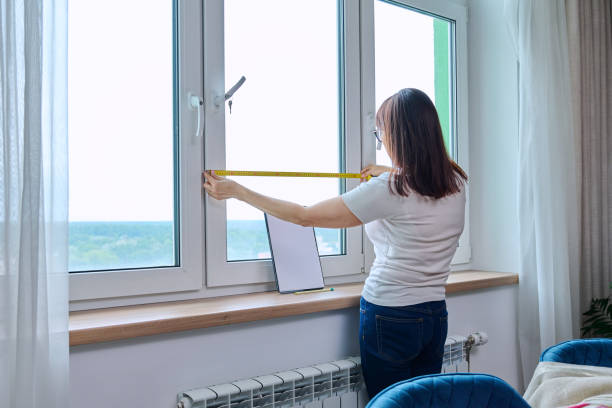
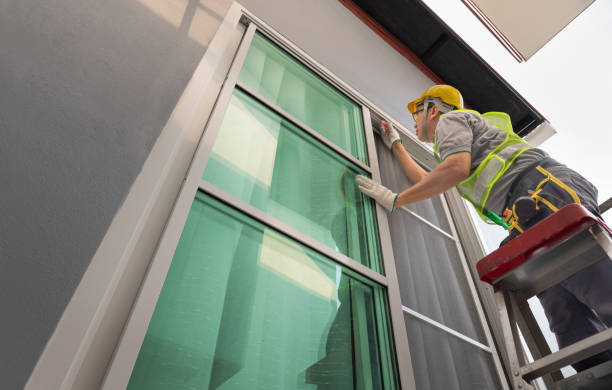
- Installation complexity: Requires precise measurements and professional installation.
- Maintenance: Hinges and folding mechanisms need regular checks to prevent sticking or misalignment.
- Cost: Folding doors are typically more expensive than standard sliding or casement doors.
Folding doors are best suited for large patios, open-plan living areas, and spaces where homeowners want the flexibility to fully connect indoor and outdoor environments.
Casement Doors
Casement doors are hinged at the side and open outward like a traditional door. They are a classic choice that combines durability with strong sealing properties.
Advantages
- Energy efficiency: Casement doors close tightly against the frame, reducing drafts and heat loss.
- Easy operation: Crank handles or lever mechanisms allow smooth opening.
- Security: Multi-point locking systems provide enhanced safety.
- Ventilation: Doors can be partially opened for controlled airflow while remaining secure.
Considerations
- Swing space: Requires clearance for outward opening, which may not be ideal for patios with obstacles.
- Exposure to weather: Doors opening outward may be affected by strong winds if not properly secured.
Casement doors are ideal for entrances, patios, and rooms where strong seals, energy efficiency, and controlled ventilation are essential.
Choosing the Right Door Type
When selecting a door, homeowners should consider:
- Space availability: Sliding doors save space, folding doors maximize openings, and casement doors require swing clearance.
- Energy efficiency: Look for doors with high-quality seals and insulated glass to reduce heating and cooling costs.
- Security: Multi-point locks and durable frames enhance safety.
- Design goals: Choose a door that complements the home’s architecture and interior style.
Homeowners often explore high-quality exterior solutions to complement door choices. Trusted providers like DesignByWarren Windows and Doors offer durable, energy-efficient, and aesthetically appealing door options, ensuring a consistent design and performance standard throughout the home.
Conclusion
Sliding, folding, and casement doors each have distinct advantages and considerations. Sliding doors provide space-saving elegance and clear views, folding doors offer maximum opening and flexibility, and casement doors deliver superior energy efficiency and security.
By understanding the pros and cons of each style, homeowners can select doors that enhance comfort, energy efficiency, and aesthetic appeal. Choosing the right door type, combined with high-quality materials and professional installation, ensures long-lasting performance and adds value to any property.