Maintenance Requirements for Power Press Machines
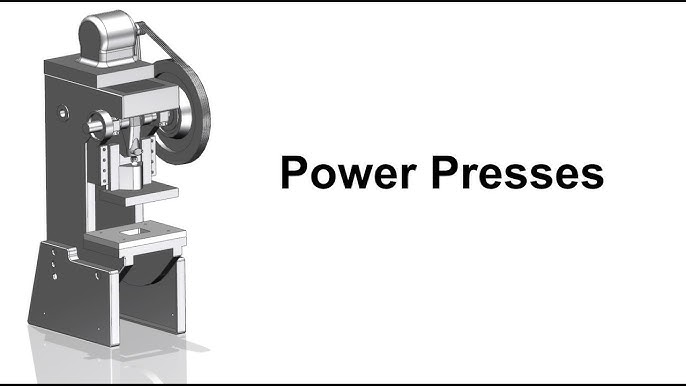
Power press machines are widely used in manufacturing industries for metal forming, stamping, punching, and bending operations. Their performance, precision, and safety depend heavily on proper maintenance. Regular maintenance ensures that the machines operate efficiently, reduces the risk of unexpected breakdowns, extends the equipment’s lifespan, and maintains consistent product quality. Understanding the maintenance requirements of a power press is essential for operators, technicians, and plant managers to achieve reliable and safe operations.
A reliable Power Press Machine requires routine checks, preventive maintenance, and proper lubrication to maintain optimal performance. Maintenance programs vary depending on the type of press, its capacity, operating conditions, and production frequency. Both mechanical and hydraulic presses have unique maintenance needs, and neglecting these can lead to reduced accuracy, higher operational costs, and potential safety hazards. Implementing a structured maintenance schedule ensures that the machine functions smoothly and efficiently over time.
Daily Maintenance Tasks
Daily maintenance is the first step in keeping a power press machine in optimal condition. Operators should perform visual inspections for signs of wear, misalignment, or damage. Checking the alignment of the ram and bed, inspecting dies and tooling for cracks or wear, and ensuring that all fasteners are tight are essential daily tasks.
Lubrication is a critical part of daily maintenance. Bearings, gears, slides, and other moving components should be properly lubricated according to the manufacturer’s recommendations. Hydraulic systems require checking fluid levels and ensuring there are no leaks. Pneumatic presses also need inspection of air lines and compressors. Daily maintenance helps prevent minor issues from escalating into major problems that can halt production.
Weekly and Monthly Maintenance
In addition to daily checks, weekly and monthly maintenance tasks are necessary to maintain machine accuracy and reliability. These tasks may include checking and adjusting the alignment of the ram, inspecting hydraulic hoses, and testing safety devices such as interlocks, emergency stops, and light curtains. Proper functioning of safety mechanisms is crucial to prevent accidents and comply with industrial regulations.
Electrical systems also require periodic inspection. Checking wiring connections, control panels, sensors, and PLCs ensures that electronic components are operating correctly. For hydraulic presses, monitoring oil viscosity, filtering systems, and pressure valves helps maintain smooth operation. Regular inspection and preventive maintenance reduce the risk of unexpected downtime and extend the life of the machine.
Lubrication and Hydraulic Maintenance
Lubrication is one of the most important aspects of power press maintenance. Proper lubrication minimizes friction between moving parts, reducing wear and heat generation. Manufacturers often provide detailed lubrication schedules, specifying the type of lubricant, intervals, and points of application. Neglecting lubrication can lead to premature component failure, reduced precision, and higher maintenance costs.
For hydraulic presses, fluid quality and levels are critical. Hydraulic oil should be replaced or filtered periodically to remove contaminants. Monitoring system pressure and cylinder performance ensures consistent force application. Routine checks prevent hydraulic failures that could damage the press or compromise production quality.
Tooling and Die Maintenance
Dies and tooling are subject to high stress during operations, making their maintenance crucial for consistent product quality. Regular inspection of dies for cracks, wear, and deformation helps prevent part defects and damage to the press. Tooling should be cleaned, sharpened, and aligned correctly before each production cycle. Proper die maintenance reduces material waste, maintains dimensional accuracy, and ensures operator safety.
Safety Inspections
Maintaining safety features is a non-negotiable part of power press maintenance. Emergency stops, two-hand control systems, interlocks, and light curtains should be tested regularly to ensure they function correctly. Safety inspections should be documented, and any malfunctions should be addressed immediately. A well-maintained safety system protects operators and prevents costly accidents that can interrupt production.
Record Keeping and Scheduled Maintenance
Maintaining detailed maintenance logs is essential for tracking the condition of the machine and planning preventive maintenance. Logs should include information on inspections, lubrication schedules, repairs, and part replacements. Scheduled maintenance based on operational hours or production cycles ensures that all critical components are checked and serviced systematically. Predictive maintenance using sensors and IoT-enabled monitoring can also be implemented for real-time performance tracking.
Conclusion
Proper maintenance of a power press machine is essential for ensuring operational efficiency, precision, and safety. Daily inspections, lubrication, tooling care, hydraulic maintenance, electrical checks, and safety inspections are all critical components of a comprehensive maintenance program. Regular record keeping and preventive maintenance schedules help prevent unexpected downtime, extend machine life, and maintain consistent product quality. A well-maintained Power Press Machine provides reliable performance, reduces operational costs, and supports safe and efficient manufacturing operations.