Cost Factors to Consider When Working with a Food Packaging Box Supplier
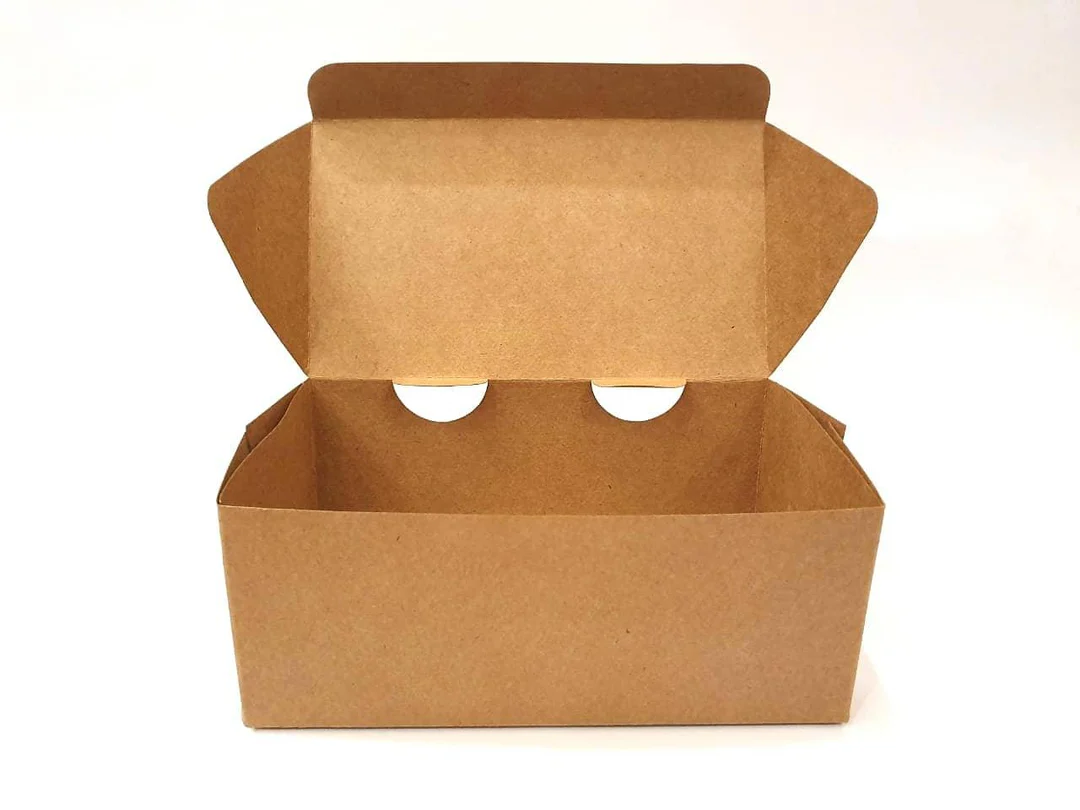
In the competitive food industry, packaging is more than just a necessity—it significantly impacts branding, customer experience, and operational efficiency. However, choosing the right food packaging boxes also involves careful budgeting and understanding the factors that influence costs. Restaurants, cafes, and food delivery businesses need to evaluate different cost elements to ensure they receive high-quality packaging without overspending.
Partnering with a reliable food packaging box supplier provides transparency and guidance on pricing, helping businesses make informed decisions. Suppliers can break down costs based on materials, customization, production volume, and additional services, enabling food businesses to plan effectively while maintaining quality and functionality.
Material Selection
The material used for food packaging boxes is one of the primary factors affecting cost. Common options include cardboard, paperboard, molded fiber, bagasse, and biodegradable plastics. High-quality or specialty materials, such as reinforced cardboard or compostable composites, tend to be more expensive due to sourcing and production processes.
Material choice affects durability, insulation, and food safety. While low-cost materials may save money initially, they may compromise strength or leak resistance, potentially increasing waste and operational costs. Evaluating material quality alongside price is essential to achieve a balance between cost-efficiency and functionality.
Customization and Branding
Custom printing and branding on food packaging boxes add to the overall cost. Options such as logos, color schemes, promotional messages, QR codes, or embossed finishes require specialized printing techniques. The complexity of the design, number of colors, and finishing options all influence pricing.
Working with a supplier that offers scalable customization ensures that businesses can achieve high-quality branding without unnecessarily inflating costs. Streamlined designs or limited color palettes can provide a professional look while remaining budget-friendly, particularly for large-volume orders.
Production Volume and Order Size
The quantity of packaging ordered significantly impacts unit costs. Larger orders typically benefit from economies of scale, resulting in a lower price per box. Conversely, smaller orders may incur higher per-unit costs due to production setup and material waste.
Businesses must assess their typical order volume and expected demand. A supplier capable of adjusting production schedules to accommodate both bulk and small-scale orders helps manage costs effectively while ensuring a consistent supply of packaging.
Design Complexity
The complexity of the packaging design can affect production costs. Boxes with multiple compartments, specialized closures, or unique shapes require more material, longer production times, and potentially more advanced machinery. These factors increase the overall cost per unit.
A food packaging box supplier can provide guidance on simplifying designs without compromising functionality or branding. Strategic design decisions help balance operational needs, customer experience, and budget considerations.
Sustainability Considerations
Eco-friendly packaging options are increasingly popular but often come at a higher price. Biodegradable, compostable, and recyclable materials may involve specialized sourcing, production processes, or certifications. While these materials can be more expensive upfront, they provide long-term value by appealing to environmentally conscious customers and supporting regulatory compliance.
Suppliers can recommend cost-effective sustainable materials that maintain durability and food safety standards. Evaluating sustainability alongside cost ensures businesses invest in environmentally responsible packaging without exceeding their budget.
Shipping and Logistics
Transportation and logistics are additional cost factors to consider. Bulk orders may require larger storage space and specialized handling, especially for delicate or custom-designed boxes. Delivery charges, import duties, and shipping distances can influence the total cost.
Proper planning and order consolidation can reduce shipping expenses. Working with a supplier that offers efficient logistics or local distribution options ensures timely delivery while minimizing costs.
Additional Services and Support
Some suppliers provide value-added services such as design consultation, prototyping, or ongoing technical support. While these services may increase initial costs, they can save money in the long run by optimizing material use, improving functionality, and avoiding production errors.
Businesses should evaluate the long-term benefits of these services, as they often lead to higher-quality packaging, reduced waste, and improved operational efficiency.
Payment Terms and Contract Flexibility
Payment structures, contract terms, and minimum order requirements also influence overall costs. Suppliers may offer discounts for bulk orders, early payments, or long-term contracts. Flexible arrangements help businesses manage cash flow and reduce financial strain.
It is important to understand all potential charges, including setup fees, rush orders, and design modifications, to accurately assess the total cost of working with a supplier.
Conclusion
Working with a food packaging box supplier involves multiple cost factors, including material selection, customization, production volume, design complexity, sustainability, shipping, additional services, and payment terms. Evaluating each factor carefully allows businesses to balance quality, functionality, and branding with budget considerations. By partnering with an experienced supplier, food businesses can optimize costs while ensuring reliable, durable, and visually appealing packaging that enhances customer satisfaction and supports long-term operational success.