How to Choose the Right Height for a Foot Wash Sink
Selecting the appropriate height for a foot wash sink is essential to ensure comfort, safety, and accessibility for all users. Whether installing the sink in a residential bathroom, a prayer area, or a public facility, proper height planning helps prevent strain, improves hygiene practices, and accommodates users of different ages and abilities. Understanding key considerations can guide the selection process and enhance the overall functionality of the foot wash area.
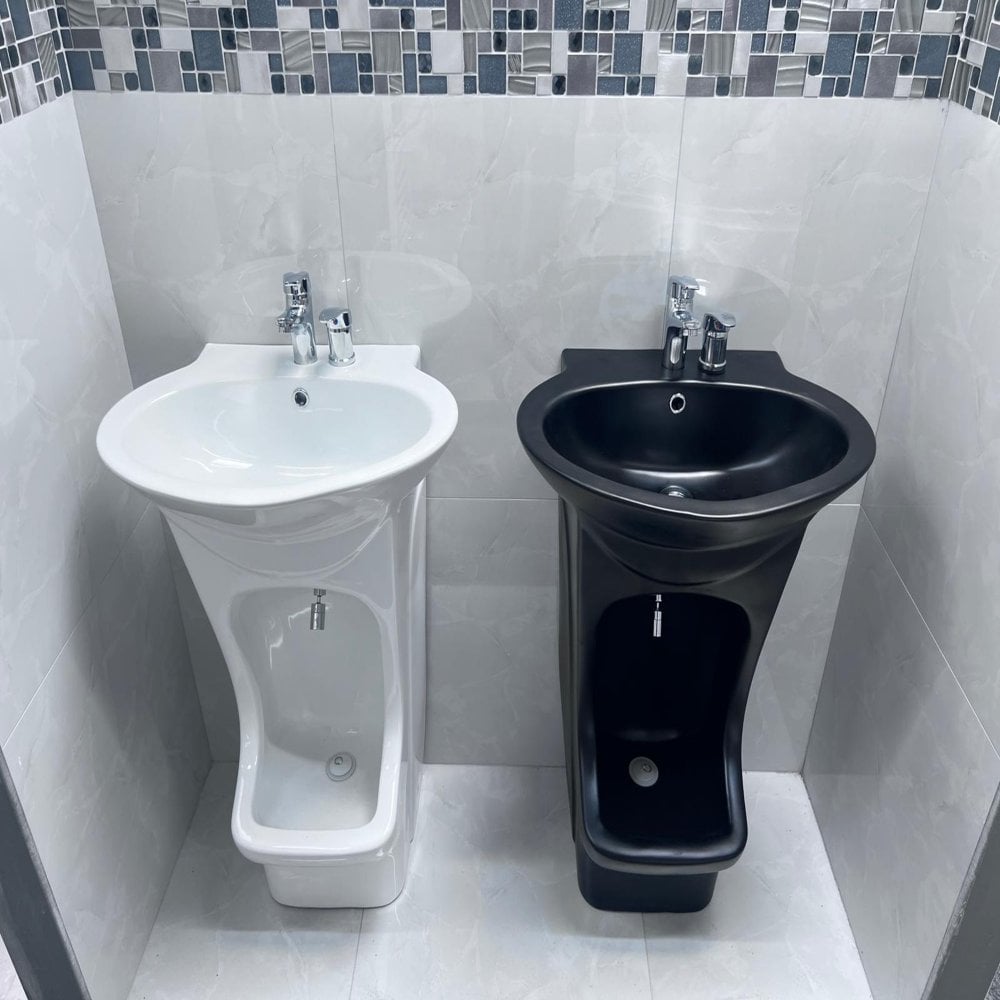
A high-quality foot wash sink provides flexibility and ergonomic design that can accommodate a wide range of users. Choosing the right height ensures that individuals can wash their feet comfortably without bending excessively or standing in awkward positions. This is particularly important for children, elderly users, and those with limited mobility, who may experience difficulty reaching traditional sink heights.
Standard Height Guidelines
For residential or general-purpose use, foot wash sinks are typically installed at a lower height than standard handwashing sinks. The basin should be positioned to allow a user to comfortably place their feet in the water without bending excessively at the waist. While there is no universal standard, many models are installed at a height ranging between 20 to 24 inches from the floor to the top of the basin. This range accommodates most adults while remaining accessible to children with the aid of a small stool or step.
In communal or public facilities, adjustable or multiple-height units can provide options for diverse users. By considering the range of expected users, designers can select a height that maximizes comfort and usability for all, including families, elderly individuals, and people with disabilities.
Considerations for Children and Elderly Users
When the sink will be used by children or elderly individuals, additional adjustments may be necessary. For children, lower installations or the inclusion of a stable step stool can help them reach the basin safely. For elderly users, the height should allow for minimal bending to prevent back strain or balance issues. Some models feature integrated seating areas or angled designs that support seated washing, providing an ergonomic solution for users with mobility challenges.
Accessibility Standards
For public or shared facilities, compliance with accessibility standards, such as those outlined by the Americans with Disabilities Act (ADA), is crucial. The height of the sink, along with clearance space underneath, should allow wheelchair users to access the basin comfortably. Lever-style faucets or motion-activated taps further enhance accessibility, enabling users to control water flow easily without excessive strength or dexterity.
Ergonomics and User Comfort
Ergonomics play a significant role in determining the right height for a foot wash sink. The goal is to minimize physical strain while providing a comfortable position for washing. Considering the average reach of the target users helps in placing the basin at an ideal height. Additionally, rounded edges, smooth surfaces, and appropriate basin depth contribute to a safe and comfortable experience, preventing injuries and making the washing process efficient.
Installation Tips for Optimal Height
During installation, it is important to measure and mark the desired height accurately. Take into account floor variations and ensure that the sink is level. Consider drainage slope, water supply connections, and surrounding space to prevent any interference with usability. Adjustable wall-mounted units can offer flexibility if multiple users with different height requirements will share the sink. Consulting with a professional installer can help ensure proper alignment and secure mounting.
Long-Term Considerations
Selecting the right height is not only about immediate convenience but also long-term usability. A well-positioned foot wash sink minimizes the risk of musculoskeletal strain, encourages proper hygiene habits, and reduces the need for modifications or adjustments later. Durable materials and reliable installation ensure that the sink remains functional and comfortable over time.
Conclusion
Choosing the correct height for a foot wash sink is a crucial step in creating a safe, accessible, and comfortable hygiene space. By considering the needs of various users, including children, elderly individuals, and those with mobility limitations, the sink can be installed to maximize comfort and functionality. Attention to ergonomic principles, accessibility standards, and proper installation techniques ensures that the foot wash sink provides a convenient, safe, and long-lasting solution for daily hygiene practices.