
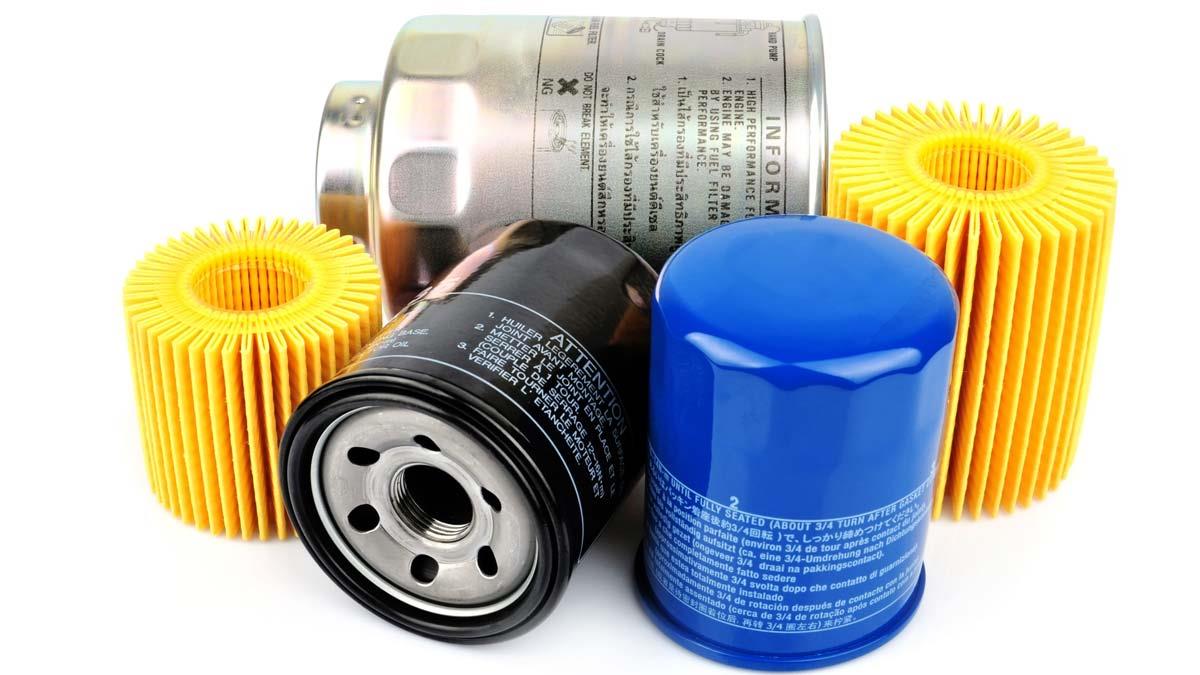
How to Evaluate a China Oil Filter Supplier
The global automotive industry depends heavily on high-quality oil filters to ensure engine performance, reliability, and longevity. For manufacturers and distributors seeking to source oil filters from China, selecting a trustworthy supplier is a critical decision. Evaluating a supplier involves more than comparing prices; it requires assessing production capabilities, quality control measures, certifications, and overall reliability. A systematic approach ensures that businesses partner with a supplier capable of delivering consistent, high-performance products that meet international standards.
Assessing the Role of a China Oil Filter Supplier
A China Oil Filter Supplier acts as both a manufacturer and a strategic partner. Beyond producing filters, the supplier must ensure compliance with global automotive standards, offer technical support, and manage logistics efficiently. Evaluating a supplier begins with understanding their ability to meet your specific requirements, whether for passenger cars, heavy-duty vehicles, or high-performance applications.
By examining their production capacity, material sourcing practices, and customization capabilities, businesses can determine whether a supplier can reliably meet order volumes and quality standards. A capable supplier should also demonstrate flexibility in addressing unique technical requirements and adhering to international testing protocols.
Production Capabilities and Equipment
The production capability of a supplier is a key factor in evaluation. Reliable oil filter manufacturers invest in modern machinery, automation, and precision tools to ensure consistent quality and efficient production. Assessing the supplier’s production lines, throughput capacity, and technology integration provides insight into their ability to fulfill large or complex orders.
Additionally, understanding the supplier’s workflow, including media pleating, assembly, and sealing processes, helps determine whether their methods meet industry standards. Suppliers with advanced equipment and well-organized production lines are better positioned to deliver uniform and high-quality filters consistently.
Quality Control and Testing Procedures
Quality control is a non-negotiable aspect of oil filter manufacturing. An effective evaluation includes reviewing the supplier’s quality assurance processes and testing protocols. Key factors to consider include:
- Incoming material inspection to ensure raw materials meet specifications
- In-process monitoring to detect defects during production
- Final testing for filtration efficiency, burst pressure, oil flow rate, and temperature resistance
Suppliers should have documented quality management systems and demonstrate traceability for each production batch. This ensures that any issues can be addressed promptly and that filters meet the performance expectations of automotive manufacturers.
Certifications and Compliance
International and regional certifications are important indicators of a supplier’s credibility. Certifications such as ISO 9001, IATF 16949, and ISO 14001 demonstrate adherence to quality management systems and environmental standards. For export-oriented suppliers, compliance with global regulations such as CE, EPA, or OEM-specific standards is also essential.
Verifying certifications not only ensures product quality but also facilitates regulatory compliance in the target markets. A supplier with up-to-date and verifiable certifications is more likely to be reliable and capable of meeting contractual obligations.
Material Sourcing and Filtration Technology
The quality of an oil filter depends heavily on the materials used, including filtration media, end caps, adhesives, gaskets, and housings. Evaluating a supplier involves assessing their material sourcing practices and the quality of the components they use.
Advanced filtration media such as synthetic fibers, nanofibers, or blended materials can significantly enhance performance and durability. Suppliers who invest in research and development and adopt new filtration technologies demonstrate a commitment to innovation and product excellence.
Customer Service and Communication
Effective communication and customer service are critical for a successful partnership. A reliable supplier should respond promptly to inquiries, provide technical support, and offer guidance on product selection, customization, and logistics. Transparent communication during order processing, production updates, and shipment tracking ensures that expectations are aligned and reduces the risk of misunderstandings.
Logistics and Delivery Reliability
The ability to deliver products on time and in good condition is a crucial evaluation criterion. Suppliers should have a robust logistics network, including partnerships with freight forwarders, packaging standards that prevent damage during transit, and efficient inventory management. Timely delivery reduces downtime for manufacturers and ensures a consistent supply of oil filters to the market.
Track Record and References
Finally, reviewing a supplier’s track record can provide valuable insight into their reliability. References from previous clients, case studies, and testimonials help assess performance consistency, product quality, and service reliability. Suppliers with a long-standing reputation in the industry are often more trustworthy and better equipped to handle complex orders or high-volume production.
Conclusion
Evaluating a China oil filter supplier involves a comprehensive review of production capabilities, quality control measures, certifications, material sourcing, customer service, and logistics reliability. A thorough assessment ensures that businesses partner with a supplier capable of delivering high-quality, durable, and efficient oil filters that meet global standards. By carefully considering these factors and working with a reputable China Oil Filter Supplier, manufacturers and distributors can secure a dependable supply of filters that enhance engine performance, reduce maintenance costs, and support long-term business success.