How to Inspect a Swiss Lathe for Sale Before Purchase
Investing in a Swiss lathe is a significant decision for any workshop, particularly when precision and reliability are crucial for production. Whether buying a new or used machine, a thorough inspection ensures that you make a safe and informed purchase. Understanding the key aspects to evaluate can help avoid costly mistakes and ensure long-term operational efficiency.
Start with a Trusted Supplier
The first step in inspecting a swiss lathe for sale is to source the machine from a reputable supplier. A trusted dealer can provide detailed maintenance records, accurate specifications, and a transparent history of the machine’s use. Reliable suppliers also offer guidance during inspections, helping buyers assess the condition and performance of the lathe. Establishing trust with the seller lays the foundation for a smooth and secure purchase process.
Examine Mechanical Components
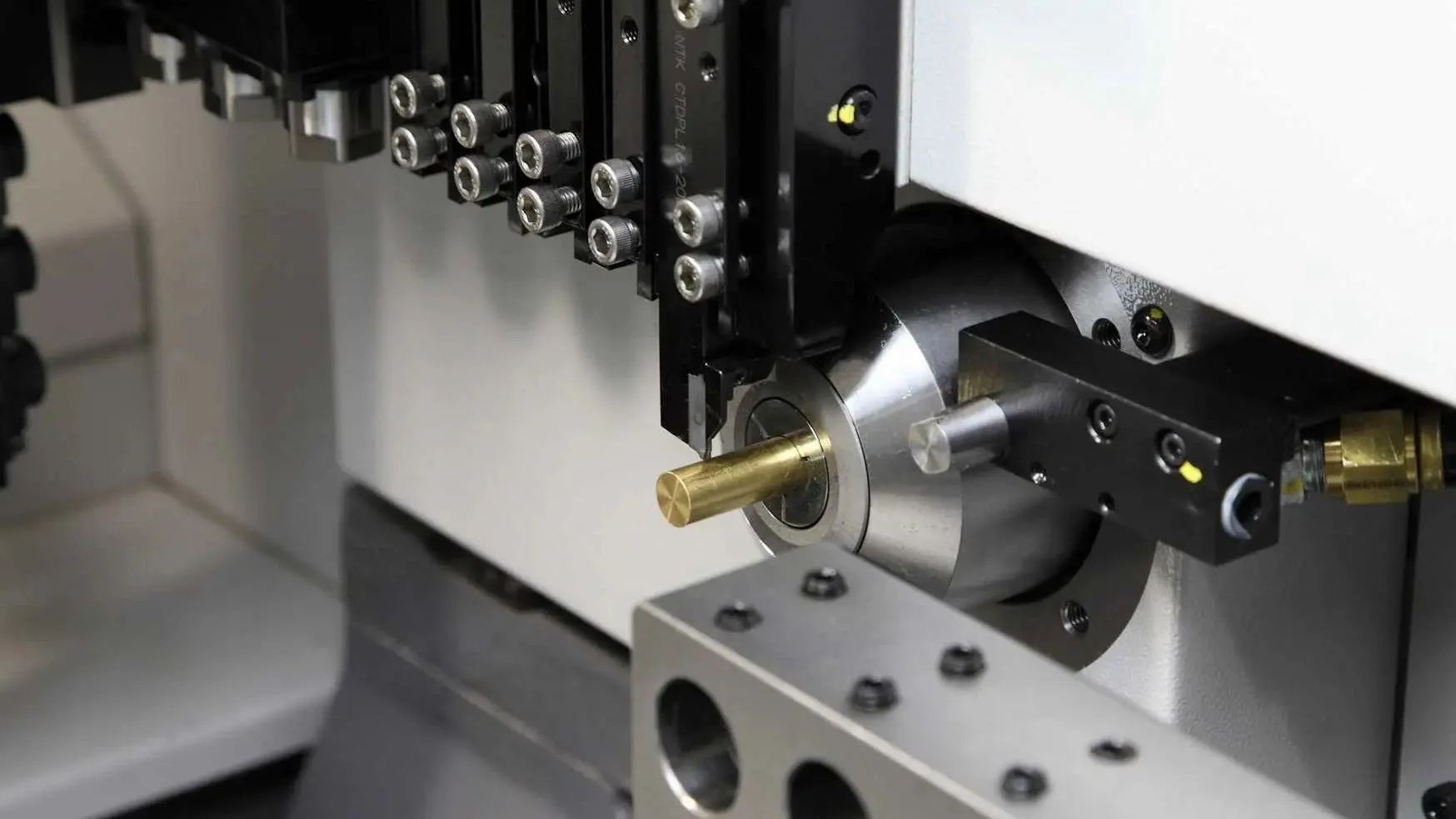
A detailed inspection of mechanical components is essential to ensure the machine’s operational integrity. Check the spindle for runout and smooth rotation, and inspect the guideways for wear or signs of uneven movement. Tool turrets and bar feeders should operate without excessive play or vibration. Evaluating the lubrication system, coolant delivery, and chip management mechanisms ensures that the lathe has been properly maintained. Attention to these mechanical details helps identify potential issues that could affect performance and longevity.
Verify CNC Functionality
Swiss lathes with CNC capabilities require a careful examination of the control system. Test the interface, program storage, and execution to confirm that the machine operates accurately and reliably. Verify programmable cycles, axis movements, and toolpath execution through test runs if possible. Functional CNC systems ensure repeatable precision, reduce the risk of errors, and allow operators to optimize production efficiency. A thorough check of software and hardware integration is essential for modern Swiss lathes.
Assess Electrical and Safety Systems
Electrical components, wiring, and safety features should be evaluated during inspection. Ensure that motors, sensors, and emergency stop mechanisms are functioning correctly. Check for signs of overheating, frayed wiring, or inconsistent power delivery. Well-maintained electrical systems reduce downtime and prevent unexpected failures, while operational safety features protect both the operator and the machine.
Evaluate Wear and Maintenance History
Understanding the wear and tear of a Swiss lathe is critical, especially for used machines. Request maintenance records, including service intervals, repairs, and parts replacements. Examine high-wear areas, such as spindle bearings and guideways, for damage or deterioration. A machine with documented maintenance and minimal wear is likely to provide reliable performance for years. Identifying potential replacement needs helps anticipate future costs and plan for continued operation.
Test Performance with Sample Parts
Whenever possible, run test operations using sample parts. Observe the quality of cuts, surface finish, and dimensional accuracy. Assess repeatability by producing multiple parts and comparing tolerances. Test runs provide tangible evidence of the lathe’s capability and help verify that it meets your workshop’s production requirements. Performance testing is often the most reliable way to gauge a machine’s true condition.
Consider Installation and Support
Finally, consider the installation process and post-purchase support. Professional setup ensures proper alignment, calibration, and optimal operation. Confirm that the supplier provides technical support, training, and access to spare parts. A well-supported machine reduces the risk of operational disruptions and enhances long-term reliability, ensuring that your investment continues to deliver value.
Conclusion
Inspecting a Swiss lathe for sale before purchase is a critical step in securing a reliable and high-performance machine. By sourcing from a trusted supplier, examining mechanical and electrical components, verifying CNC functionality, reviewing maintenance history, and testing performance, buyers can make informed decisions that reduce risk and ensure precision in their operations. Thorough inspection not only safeguards your investment but also contributes to long-term efficiency, quality, and productivity in your workshop.