How to Install a Muslim Foot Washing Sink Without Structural Changes
Installing a Muslim foot washing sink in a home, mosque, or commercial space no longer requires major renovations or complex plumbing adjustments. Modern designs are tailored for convenience, hygiene, and flexibility, allowing users to integrate these units seamlessly into existing washrooms. This makes them accessible for anyone wanting to enhance their space for wudu practices without undertaking costly construction work.
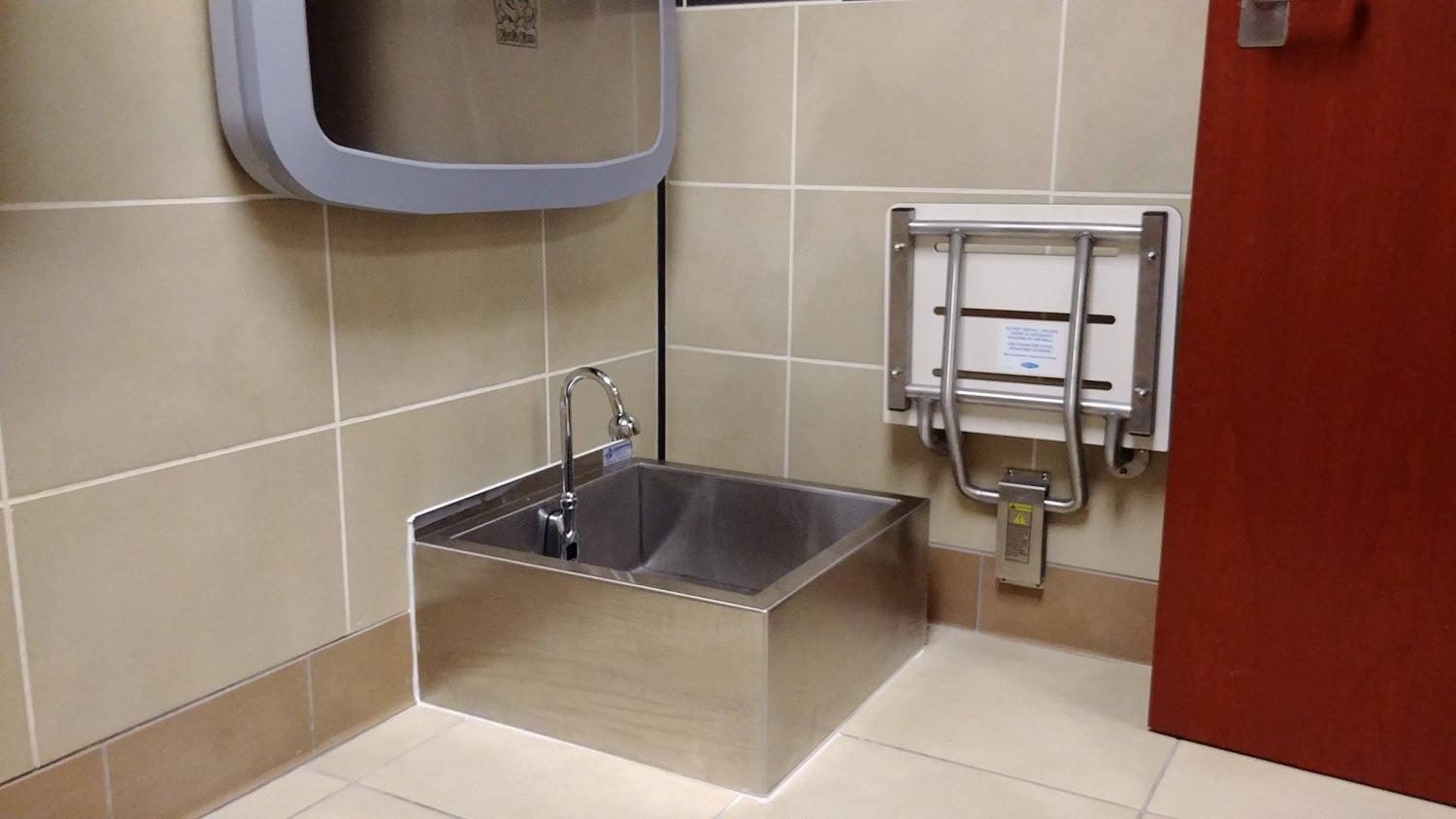
In many cases, a Muslim foot washing sink can be mounted directly onto existing walls and connected to current plumbing lines. Because these units are engineered with lightweight yet durable materials, they offer a practical solution for both small and large facilities. Their streamlined design ensures that installation can be completed quickly while maintaining structural integrity and safety.
Understanding the Requirements for a Non-Invasive Installation
Before beginning the installation, it is important to evaluate the available wall space and existing plumbing setup. Non-invasive installation means you will not break tiles, modify the building foundation, or reroute major pipelines. Instead, the process focuses on surface mounting and connecting to accessible water lines.
Most modern wudu sinks include integrated basins, splash guards, and pre-configured fixture points. This reduces the need for additional components and simplifies the installation process. Measuring the intended space beforehand ensures that the unit fits comfortably without obstructing doors, walkways, or other fixtures.
Selecting the Right Location for Optimal Use
Choosing the ideal location is essential for a user-friendly setup. For homes, a spot near the bathroom entrance or next to a shower area works well. In mosques and commercial settings, positioning the sink along a side wall or near existing wash areas can help maintain flow and prevent overcrowding.
The placement should also consider accessibility for people of different ages and physical abilities. A height that allows comfortable seating or stable footing during wudu contributes to a safer and more practical experience. Ensuring good lighting and ventilation around the installation area further enhances usability.
Preparing the Wall and Plumbing Connections
To avoid structural modifications, installers use strong surface-mount brackets or stainless-steel anchors compatible with standard wall types such as concrete, tile, or drywall. These supports are designed to handle the weight of the unit and regular use, ensuring long-term stability.
For plumbing, the sink can typically be attached to an existing cold-water line. This is usually achieved by adding a T-connector or small extension pipe. Drainage can be connected to the nearest existing drain through flexible piping, which eliminates the need to break floors or reroute deep plumbing systems. A licensed plumber can complete these tasks efficiently while ensuring compliance with local regulations.
Ensuring Proper Sealing and Water Flow
Once the sink is mounted and connected, sealing the edges with waterproof silicone prevents leaks and protects the surrounding surfaces. Proper sealing also ensures that water flows directly into the drain, reducing splash and maintaining hygiene in the area.
Testing water pressure, faucet operation, and drainage speed is an important final step. These checks confirm that the system functions smoothly and that the installation was completed correctly. If any issues arise, adjustments can usually be made without removing the sink or disturbing the wall.
Benefits of a No-Construction Installation Approach
A non-invasive installation saves both time and money. Since no demolition or rebuilding is required, the entire process can be completed in a matter of hours rather than days. This is especially beneficial for busy environments like mosques, offices, or schools where downtime needs to be minimal.
Additionally, avoiding structural changes preserves the original design of the space. This is ideal for rented properties or buildings with strict renovation restrictions. Owners retain flexibility while still adding a functional and aesthetically pleasing wudu facility.
Maintenance Tips After Installation
After installing the sink, routine maintenance helps prolong its lifespan. Regular cleaning with non-abrasive cleaners prevents build-up and keeps the surface looking new. Periodically checking for loose mounting brackets or minor leaks ensures continued safety and reliability.
Because the installation did not alter the building’s main structure, any repairs or upgrades can be done easily. This makes the setup adaptable for future enhancements, whether adding seating supports, handrails, or upgraded faucets.
Final Thoughts
Installing a Muslim foot washing sink without structural changes is not only possible but highly practical with today’s innovative designs. By selecting the right unit, choosing an accessible location, and using surface-mounted installation techniques, you can create a comfortable and hygienic wudu space that fits seamlessly into your existing environment. This approach ensures convenience, safety, and long-term usability without the disruptions of major renovation work.