
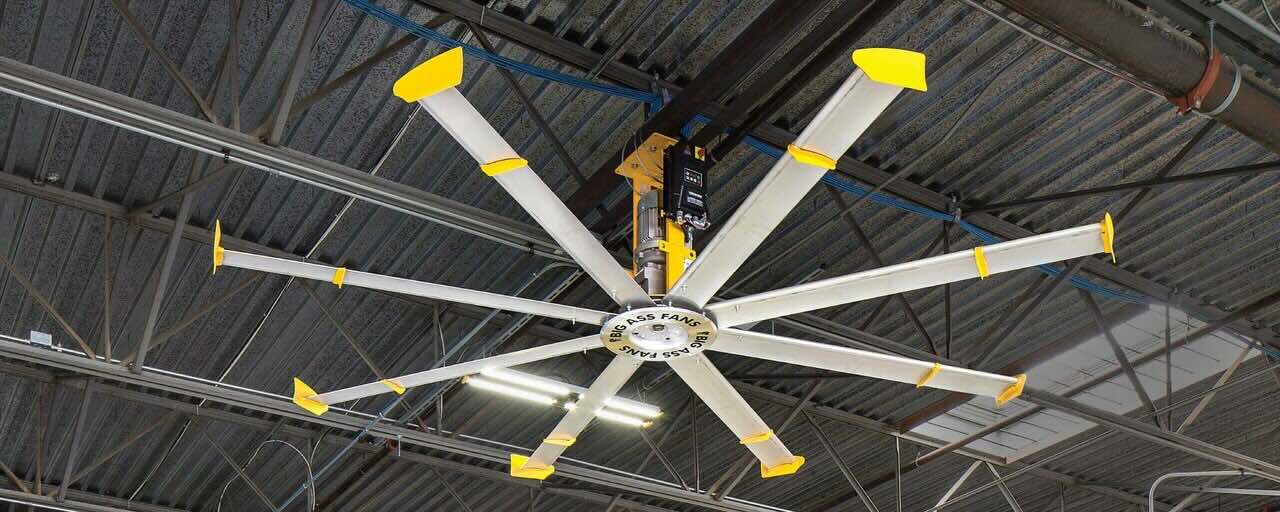
Industrial Big Fans: Applications, Benefits, and Performance Considerations
Industrial big fans have become an essential solution for improving airflow, temperature control, and overall comfort in large commercial and industrial spaces. Facilities such as warehouses, manufacturing plants, logistics centers, and aircraft hangars often struggle with heat buildup and stagnant air due to their size and operational demands. Unlike conventional ventilation systems, large-diameter fans are designed to move massive volumes of air efficiently, creating a safer and more productive working environment.
As industries place greater emphasis on employee well-being, energy efficiency, and operational cost control, industrial big fans are increasingly viewed as a long-term investment rather than a simple cooling accessory. Their ability to circulate air evenly across expansive areas makes them suitable for both temperature regulation and environmental control in demanding conditions.
The growing adoption of Industrial Big Fans reflects the need for scalable airflow solutions that can handle high ceilings and wide floor plans. By slowly and consistently moving air downward and outward, these fans create a gentle but effective airflow pattern that improves thermal comfort without generating disruptive noise or drafts. This makes them suitable for facilities where continuous operations and worker concentration are critical.
Common Applications of Industrial Big Fans
Industrial big fans are widely used across multiple sectors due to their versatility. In warehouses and distribution centers, they help regulate indoor temperatures and reduce heat stress for workers, particularly in warm climates. Improved airflow also helps prevent moisture buildup, which can damage stored goods and packaging materials.
Manufacturing plants benefit from these fans by maintaining stable working conditions around heavy machinery that generates heat. Better air circulation can also help disperse fumes and airborne particles, contributing to improved indoor air quality. In agricultural settings, such as barns and livestock facilities, industrial big fans support animal comfort by reducing heat stress and controlling humidity levels.
Large public and commercial spaces, including convention halls and sports facilities, also rely on these fans to manage airflow efficiently. Their ability to cover wide areas with fewer units makes them a practical choice for spaces where traditional HVAC systems may be costly or insufficient on their own.
Key Benefits for Industrial Environments
One of the most significant benefits of industrial big fans is enhanced energy efficiency. These fans consume relatively low amounts of electricity while moving large volumes of air, making them far more efficient than relying solely on air conditioning. When used alongside HVAC systems, they help distribute conditioned air more evenly, allowing temperature settings to be adjusted for energy savings.
Improved worker comfort is another major advantage. Consistent airflow helps regulate perceived temperature, reducing fatigue and heat-related discomfort. This can lead to higher productivity, fewer safety incidents, and better employee retention in physically demanding work environments.
Industrial big fans also contribute to better air quality by reducing stagnant air pockets. Continuous circulation helps disperse dust, odors, and humidity, creating a healthier indoor environment. Over time, this can reduce maintenance issues related to condensation, corrosion, and mold growth.
Performance Considerations and Fan Selection
Selecting the right industrial big fan requires careful consideration of several factors. Facility size, ceiling height, and layout all influence fan performance. Larger spaces with high ceilings typically require fans with greater diameters to ensure effective air distribution across the entire area.
Motor efficiency and control systems are equally important. High-quality motors provide smooth, reliable operation and reduce long-term maintenance costs. Many modern industrial fans include variable speed controls, allowing facility managers to adjust airflow based on seasonal changes or specific operational needs.
Noise levels should also be evaluated, particularly in environments where communication and concentration are essential. Well-designed industrial big fans operate quietly despite their size, making them suitable for both industrial and semi-commercial settings.
Energy Efficiency and Cost Management
From a cost perspective, industrial big fans offer substantial long-term savings. Their low energy consumption compared to traditional cooling methods results in reduced utility bills. Additionally, by improving air circulation, they help HVAC systems operate more efficiently, extending equipment lifespan and lowering maintenance expenses.
Some facilities also experience indirect savings through reduced downtime and improved product quality. Stable environmental conditions can prevent damage to sensitive materials and equipment, contributing to smoother operations and fewer losses.
Installation, Maintenance, and Longevity
Proper installation is essential to maximize the performance and safety of industrial big fans. Professional assessment ensures correct placement, secure mounting, and optimal airflow patterns. Once installed, these fans generally require minimal maintenance, with periodic inspections and cleaning to maintain efficiency.
High-quality construction materials and robust engineering contribute to long service life, making industrial big fans a durable solution for demanding environments. Investing in reliable models reduces the need for frequent replacements and unexpected repairs.
Conclusion
Industrial big fans provide an effective, energy-efficient solution for managing airflow and temperature in large spaces. Their wide range of applications, combined with benefits such as improved comfort, lower energy costs, and enhanced air quality, make them a valuable asset across many industries. By understanding performance considerations and selecting the right system, businesses can create safer, more comfortable, and more efficient working environments while achieving long-term operational savings.