Innovations and Technology in Yoga Wear Manufacturing
The yoga wear industry has experienced significant advancements in recent years due to innovations in materials, design techniques, and manufacturing technology. Modern consumers expect garments that combine comfort, performance, durability, and sustainability. To meet these demands, yoga wear manufacturers are integrating cutting-edge technologies and innovative practices into their production processes, resulting in apparel that enhances both functionality and aesthetic appeal.
Advanced Fabrics and Material Technology
One of the most significant innovations in yoga wear manufacturing is the development of advanced fabrics. High-performance fibers, such as recycled polyester, regenerated nylon, and moisture-wicking spandex blends, have become standard in premium yoga apparel. These fabrics provide stretch, support, breathability, and durability while maintaining comfort. Eco-conscious materials, including bamboo, organic cotton, and Tencel, are also gaining popularity for their sustainability benefits. A trusted Yoga Wear Manufacturer ensures that these fabrics meet rigorous quality and performance standards, balancing functionality with environmental responsibility.
Seamless and 3D Knitting Technology
Seamless and 3D knitting technologies have transformed the production of yoga wear. These methods allow manufacturers to create garments with minimal or no seams, reducing friction and enhancing comfort during yoga practice. Seamless construction also improves flexibility and support, as the garment moves naturally with the body. 3D knitting enables the creation of complex patterns, compression zones, and targeted support areas, providing a personalized fit while reducing material waste. These innovations help produce yoga wear that is both functional and aesthetically pleasing.
Moisture Management and Anti-Odor Treatments
Innovations in fabric treatment have also improved moisture management and odor control in yoga apparel. Advanced moisture-wicking fabrics pull sweat away from the skin, keeping the wearer dry and comfortable during intense sessions. Anti-odor treatments, often achieved through antimicrobial finishes, prevent the growth of bacteria that cause unpleasant odors. These technologies extend the lifespan of garments and enhance user experience, making yoga wear more practical for daily use and multiple workouts.
Smart and Wearable Technology
Smart textiles and wearable technology are emerging trends in yoga wear manufacturing. Some brands are experimenting with fabrics that incorporate sensors to monitor heart rate, posture, or muscle activity. This data provides real-time feedback to users, helping improve performance, prevent injuries, and track progress. While still in the early stages, these innovations represent a growing intersection between fitness technology and apparel design, providing added value for tech-savvy consumers.
Laser Cutting and Precision Manufacturing
Manufacturing technology, such as laser cutting, has revolutionized yoga wear production. Laser-cut fabrics provide precise, clean edges without fraying, improving the quality and fit of garments. This method also allows for intricate patterns, ventilation designs, and ergonomic panels that enhance both style and performance. Precision manufacturing reduces material waste and ensures consistent sizing across batches, contributing to a more sustainable production process.
Sustainable Dyeing and Finishing Techniques
Innovative dyeing and finishing processes are increasingly used to reduce environmental impact while maintaining vibrant colors and fabric integrity. Low-water and low-impact dyeing techniques minimize chemical usage and wastewater production. Digital printing allows for intricate designs without excess dye consumption, reducing waste and energy usage. Manufacturers are also exploring natural and plant-based dyes that provide attractive colors while aligning with eco-friendly practices.
Automation and Quality Control
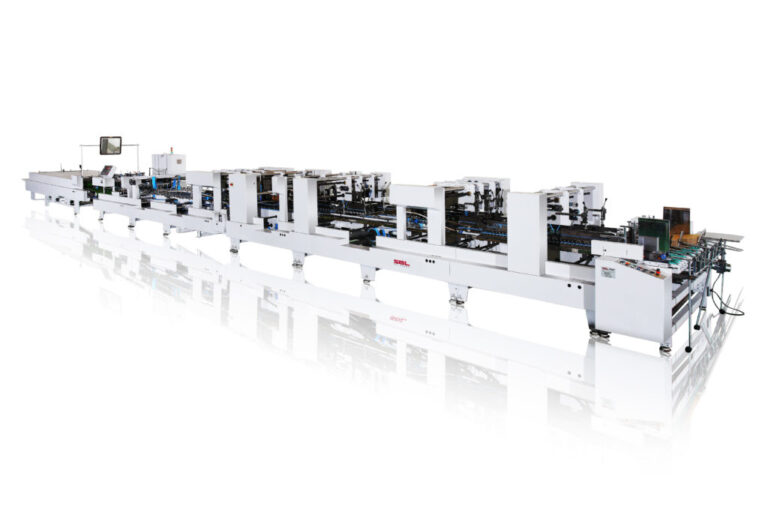
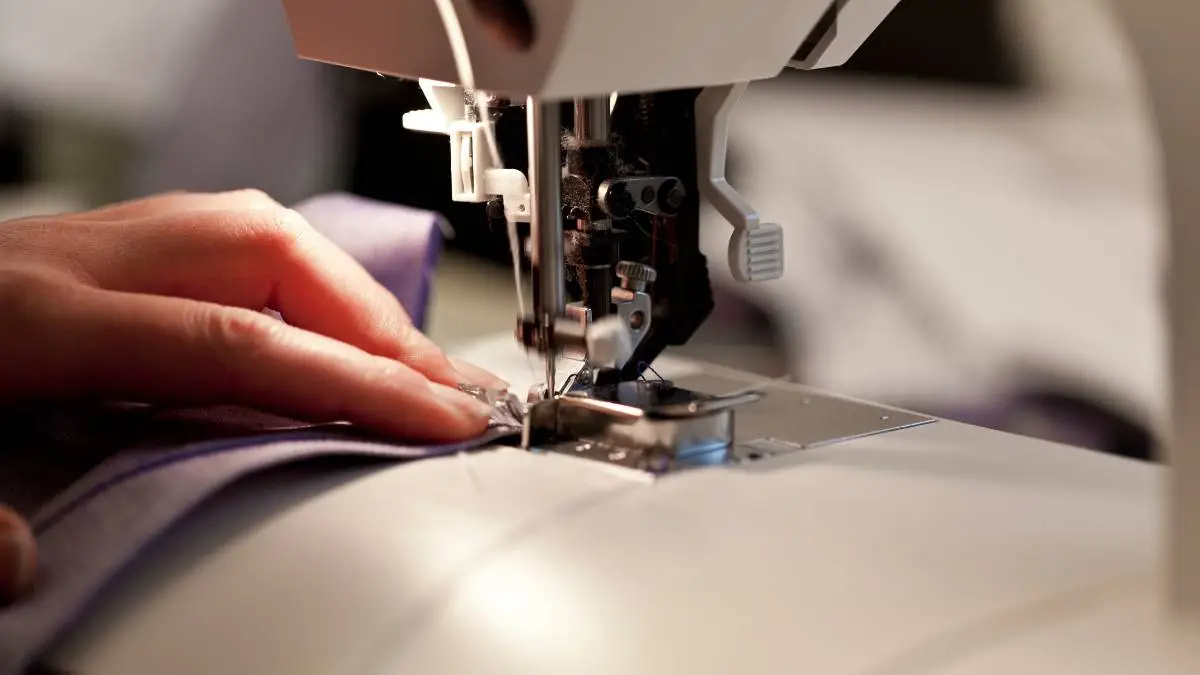
Automation is playing a larger role in yoga wear manufacturing, particularly in cutting, sewing, and assembly processes. Automated machines improve precision, reduce human error, and increase production efficiency. Robotics and computer-aided systems also assist in quality control by detecting inconsistencies in stitching, fabric tension, and fit. By integrating automation, manufacturers can maintain high standards while meeting growing consumer demand for yoga apparel.
Customization and On-Demand Production
Advancements in manufacturing technology have made customization and on-demand production more feasible. Consumers can select specific sizes, colors, and styles, creating a personalized yoga wear experience. On-demand production reduces overstock and waste, aligning with sustainable fashion principles. Manufacturers that adopt these practices offer flexibility and efficiency while catering to evolving market trends.
Conclusion
Innovations and technology in yoga wear manufacturing have transformed the industry, enabling the production of garments that are comfortable, durable, sustainable, and performance-driven. From advanced fabrics and seamless construction to wearable technology, precision manufacturing, and eco-friendly dyeing techniques, these advancements enhance both function and style. By partnering with a reliable yoga wear manufacturer, brands can leverage these innovations to deliver high-quality, sustainable, and cutting-edge apparel to consumers. The integration of technology and innovative practices ensures that yoga wear continues to evolve, meeting the demands of modern fitness enthusiasts while supporting sustainability and efficiency in production.