
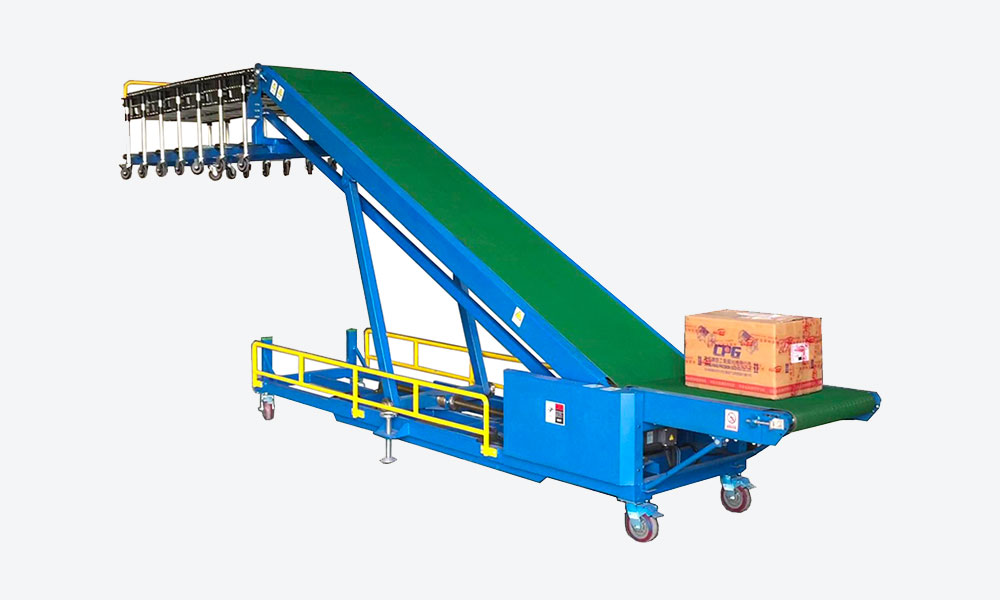
Introduction to Lorry Loading Conveyors and Their Industrial Uses
Efficient material handling is a cornerstone of modern industrial operations. In sectors such as mining, agriculture, construction, and logistics, the need to load bulk materials into transport vehicles quickly and safely is a daily challenge. Lorry loading conveyors have emerged as a highly effective solution, providing automation, precision, and speed in the loading process. These systems allow businesses to increase productivity, reduce labor costs, and maintain consistent operational workflows.
A Lorry Loading Conveyor is a specialized conveyor system designed to transfer bulk materials or packaged goods directly into lorries or trucks. By automating the loading process, these conveyors minimize manual handling, reduce spillage, and ensure accurate material placement. For companies seeking reliable and high-performance solutions, exploring Lorry Loading Conveyor options offers access to systems engineered for durability, efficiency, and adaptability across various industrial applications.
Key Features of Lorry Loading Conveyors
Lorry loading conveyors come with a variety of features designed to meet the diverse demands of industrial operations. Some of the most important features include:
Adjustable Height and Length
Lorries vary in size, and loading operations often require conveyors that can reach different heights and lengths. Many modern lorry loading conveyors are designed with telescopic or modular frames, allowing operators to extend or retract the conveyor as needed. Adjustable height and length ensure that materials are accurately placed in the lorry, maximizing load capacity and preventing overloading on one side.
Durable Construction
Industrial loading operations often involve heavy and abrasive materials such as sand, gravel, coal, or ores. Lorry loading conveyors are built with reinforced steel frames, heavy-duty rollers, and abrasion-resistant belts to withstand continuous operation. Durable construction reduces maintenance needs and ensures that the system can operate efficiently under demanding conditions.
Efficient Drive Systems
The drive system powers the movement of the conveyor belt and plays a critical role in operational efficiency. Lorry loading conveyors can be powered by electric, hydraulic, or diesel motors, depending on the operational requirements. Variable speed drives allow operators to adjust the belt speed for precise material handling, reducing material spillage and optimizing loading times.
Automated Controls
Modern lorry loading conveyors often include automated control systems that improve accuracy and efficiency. Sensors can detect lorry presence, monitor load levels, and automatically stop the conveyor once the desired quantity has been loaded. Automated controls reduce human error, save time, and enhance safety by minimizing operator exposure to moving parts and heavy materials.
Mobility and Portability
Some lorry loading conveyors are designed to be mobile or portable, allowing operators to reposition them across multiple loading zones or work sites. Portable conveyors are particularly useful for operations with changing loading areas or temporary job sites, as they can be quickly deployed without extensive installation.
Industrial Applications
Lorry loading conveyors are used across a wide range of industries to improve operational efficiency and reduce manual labor:
- Mining and Aggregate: Loading bulk materials such as coal, ores, sand, and gravel directly into lorries for transport to processing facilities or construction sites.
- Construction: Efficiently transferring materials like cement, sand, and stone into trucks for delivery to various project locations.
- Agriculture: Handling grains, fertilizers, and other agricultural products for storage or transportation to markets and processing centers.
- Logistics and Warehousing: Moving packaged goods or bulk commodities from storage to transport vehicles for distribution.
- Recycling and Waste Management: Loading sorted materials into lorries for recycling or disposal efficiently and safely.
Advantages of Using Lorry Loading Conveyors
Implementing lorry loading conveyors in industrial operations offers several key benefits:
- Increased Productivity: Continuous loading processes reduce vehicle turnaround time and increase throughput.
- Reduced Labor Costs: Automation decreases the need for manual handling, freeing workers for other tasks.
- Accurate Load Placement: Adjustable features ensure even distribution of materials, preventing overloading and minimizing spillage.
- Enhanced Safety: Automated controls and reduced manual intervention protect operators from potential hazards.
- Durability and Reliability: Heavy-duty construction ensures long-term operation with minimal downtime.
Conclusion
Lorry loading conveyors are essential for modern industrial operations that require efficient, safe, and reliable material handling. Their features, including adjustable height and length, durable construction, efficient drive systems, automation, and portability, make them suitable for a variety of industries such as mining, agriculture, construction, and logistics. By investing in a high-quality lorry loading conveyor, businesses can improve productivity, reduce labor costs, and ensure precise and safe loading operations, ultimately enhancing operational efficiency and overall return on investment.