Paper Meal Box Supplier vs Plastic Packaging: A Practical Comparison
Food packaging plays a critical role in how meals are prepared, transported, and presented to customers. As food delivery and takeaway services continue to grow, businesses must choose packaging that is practical, safe, and aligned with modern expectations. Two of the most common options are paper meal boxes and plastic packaging. Each has distinct characteristics, but their differences become clearer when evaluated through the lens of performance, sustainability, cost, and customer perception.
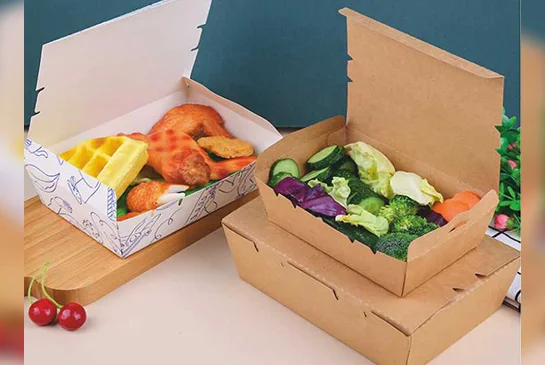
When businesses partner with a reliable paper meal box supplier, they gain access to packaging solutions designed to meet food service demands while addressing environmental concerns. Comparing paper-based packaging with plastic alternatives helps food businesses determine which option best supports their operational and long-term goals.
Environmental Impact and Sustainability
One of the most significant differences between paper meal boxes and plastic packaging is environmental impact. Paper meal boxes are typically made from renewable resources such as wood pulp and are recyclable, biodegradable, or compostable. This makes them a more environmentally responsible option, especially in regions with strict waste management regulations.
Plastic packaging, while lightweight and durable, is derived from non-renewable fossil fuels and can take hundreds of years to decompose. Even recyclable plastics often end up in landfills due to limited recycling infrastructure. From a sustainability perspective, paper-based packaging clearly offers long-term environmental advantages.
Food Safety and Health Considerations
Food safety is a critical concern in packaging selection. Paper meal boxes are commonly produced using food-grade materials and coatings that are safe for direct food contact. They are designed to minimize chemical migration and are often free from harmful substances associated with certain plastics.
Plastic packaging can also be food-safe, but concerns remain about chemical leaching, especially when plastics are exposed to heat. Some plastic containers may release substances that affect food quality or raise health concerns. Paper meal boxes, when properly manufactured, offer a safer and more reassuring option for both businesses and consumers.
Performance and Durability in Real Use
Plastic packaging is known for its flexibility and resistance to moisture, making it effective for liquids and very oily foods. It is less likely to deform when exposed to water and can provide a tight seal. However, advancements in paper packaging have significantly narrowed this gap.
Modern paper meal boxes feature grease-resistant and moisture-resistant coatings that allow them to handle a wide range of foods, including hot and oily meals. While plastic may still outperform paper in extreme conditions, paper packaging now offers sufficient durability for most food service applications.
Branding and Visual Appeal
Packaging is an extension of a brand, and visual presentation matters. Paper meal boxes provide a natural, premium appearance that resonates with eco-conscious consumers. They are also highly customizable, offering excellent print quality for logos, colors, and messaging.
Plastic packaging tends to look more utilitarian and less distinctive. While it can be transparent, allowing customers to see the food, it offers fewer opportunities for high-quality branding. Businesses focused on creating a strong brand identity often find paper packaging more effective.
Cost and Operational Efficiency
Cost is a key factor in packaging decisions. Plastic packaging is often cheaper per unit, particularly when purchased in large quantities. Its lightweight nature can also reduce shipping costs. However, these short-term savings may be offset by regulatory fees, environmental taxes, or future compliance costs.
Paper meal boxes may have a slightly higher upfront cost, but they can deliver better long-term value. Bulk purchasing, efficient stacking, and improved brand perception can contribute to overall cost efficiency. Additionally, avoiding plastic-related regulatory risks can save money over time.
Regulatory Compliance and Future Readiness
Governments worldwide are introducing regulations to reduce plastic waste, including bans on certain single-use plastics. Businesses relying heavily on plastic packaging may face sudden changes or increased costs to remain compliant.
Paper meal boxes are generally more aligned with current and future regulations. Choosing paper-based packaging allows businesses to stay ahead of legal requirements and adapt more easily to evolving environmental policies.
Customer Perception and Market Demand
Consumer preferences are shifting toward sustainable practices. Many customers actively choose brands that demonstrate environmental responsibility. Paper meal boxes send a clear message about a business’s commitment to sustainability.
Plastic packaging, while still common, is increasingly viewed negatively by environmentally conscious consumers. This shift in perception can influence purchasing decisions and brand loyalty, making paper packaging a strategic choice for customer engagement.
Waste Management and Disposal
Paper meal boxes are easier to dispose of responsibly. They can be recycled or composted in many waste management systems, reducing landfill burden. Clear labeling and natural materials also encourage proper disposal by consumers.
Plastic packaging often requires specific recycling processes and is more likely to be discarded improperly. This contributes to environmental pollution and undermines sustainability efforts.
Making the Practical Choice
In practical terms, both paper meal boxes and plastic packaging have strengths, but their long-term implications differ significantly. Plastic offers durability and low upfront cost, while paper provides sustainability, branding advantages, and regulatory readiness.
For businesses focused on future growth, environmental responsibility, and positive customer perception, sourcing packaging from a paper meal box supplier presents a balanced and forward-thinking solution. By weighing these factors carefully, food service providers can choose packaging that supports both operational efficiency and long-term success.