
Returning to Yourself: A Holistic Escape for Mindful Living
In a world driven by deadlines, notifications, and constant performance, many people feel disconnected from their own needs. Days pass quickly, yet true rest feels rare. Even moments of relaxation are often filled with digital noise or lingering stress. Over time, this lifestyle creates mental fatigue, physical tension, and emotional imbalance, making it difficult to feel present and fulfilled.
A Yoga retreat offers a powerful opportunity to pause, reset, and reconnect. Unlike conventional holidays that focus on activity and entertainment, this experience is centered on awareness, balance, and personal well-being. It allows individuals to step away from daily pressure and gently return to a more grounded and intentional way of living.
The Essence of Retreat-Based Wellness
At its core, a retreat is about creating space—space to breathe, reflect, and simply be. Yoga retreats are thoughtfully designed to support this process through a balanced daily rhythm. Mornings may begin with mindful movement, followed by nourishing meals, quiet reflection, and guided practices that encourage self-awareness.
This intentional structure removes decision fatigue and external pressure. Participants are not expected to perform or achieve, but to observe and experience. Over time, this simplicity helps calm the nervous system and restore mental clarity.
Physical Balance Through Conscious Movement
The body often carries stress silently, storing tension in muscles and joints. Daily yoga practice during a retreat gently releases this tension through mindful movement and stretching. Instead of pushing physical limits, sessions focus on alignment, breath, and body awareness.
As a result, flexibility improves naturally, posture becomes more balanced, and strength develops without strain. Many participants notice reduced stiffness, improved mobility, and better sleep within a short time. This physical renewal feels sustainable because it respects the body’s natural rhythm.
The Power of Breath Awareness
Breathing is a bridge between the body and the mind, yet it is often shallow and unconscious in everyday life. Yoga retreats place strong emphasis on breathwork, teaching techniques that calm the nervous system and enhance focus.
Through guided breathing practices, participants learn how to regulate stress responses and improve energy levels. This awareness of breath becomes a practical tool that can be used anywhere, making it one of the most valuable skills gained during a retreat.
Mental Stillness in a Distracted Age
Modern life rarely allows the mind to rest. Continuous stimulation from screens and information overload keeps thoughts racing, even during supposed downtime. Yoga retreats intentionally reduce these distractions, creating an environment where the mind can slow down.
Meditation sessions help participants observe thoughts without attachment or judgment. Over time, mental chatter softens, focus improves, and emotional reactions become more balanced. Many people describe this mental quiet as one of the most transformative aspects of their retreat experience.
Emotional Awareness and Inner Healing
When the noise of daily life fades, emotions naturally become more visible. Yoga retreats offer a safe and supportive environment for this process. Rather than suppressing feelings, participants are encouraged to acknowledge and understand them.
This emotional awareness often leads to meaningful insight. People gain clarity about relationships, personal boundaries, and life direction. Healing occurs not through force, but through presence and acceptance, allowing emotions to be processed gently and honestly.
The Role of Nature in Restoration
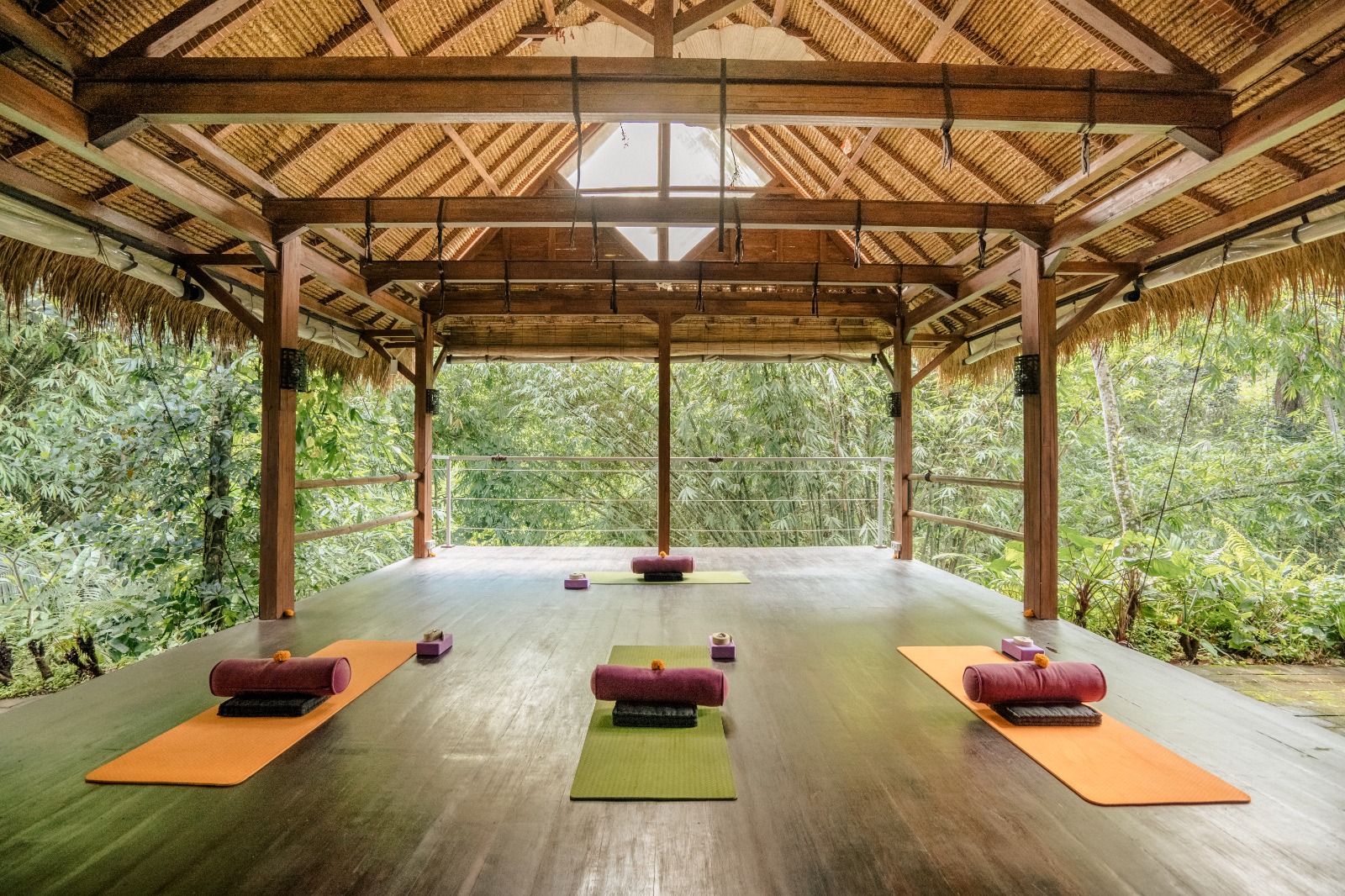
The environment plays a crucial role in the retreat experience. Most yoga retreats are held in natural settings such as mountains, beaches, forests, or peaceful rural landscapes. These surroundings naturally promote relaxation and grounding.
Nature has a calming effect on the nervous system, helping reduce stress and mental fatigue. Practicing yoga in fresh air and open spaces deepens mindfulness and enhances the sense of connection—to oneself and to the world.
Nourishment That Supports Well-Being
Food is treated as an essential part of wellness during a retreat. Meals are often prepared with fresh, wholesome ingredients that support digestion and sustained energy. Eating becomes a mindful practice rather than a rushed necessity.
Participants learn to listen to their body’s signals and notice how food affects their mood and energy. This awareness often inspires healthier eating habits that continue long after the retreat ends.
Community Without Comparison
While a yoga retreat is a deeply personal journey, it is also a shared experience. Participants often arrive as strangers but quickly connect through shared intentions and open conversation. The absence of social pressure allows relationships to form naturally.
Group practices, shared meals, and guided discussions create a sense of belonging and mutual support. These authentic connections remind participants of the value of presence and empathy in human relationships.
Inclusive and Accessible for All Levels
Yoga retreats are designed to be welcoming and adaptable. Whether someone is completely new to yoga or has years of experience, instructors typically offer modifications to suit individual needs. The focus remains on awareness rather than ability.
This inclusive approach makes retreats suitable for people of different ages, fitness levels, and life stages. Each participant is encouraged to move at their own pace, creating a safe and supportive environment for growth.
Bringing Retreat Lessons Into Daily Life
The true impact of a yoga retreat is felt after returning home. Participants often leave with simple yet powerful practices such as breathing exercises, meditation techniques, and gentle movement routines.
These tools help maintain balance in everyday life, making it easier to manage stress and stay grounded. Over time, the lessons learned during the retreat influence daily choices, relationships, and overall well-being.
Final Reflection
In a culture that constantly demands attention and productivity, choosing to slow down is a meaningful act of self-care. A yoga retreat offers more than rest—it provides clarity, balance, and a deeper understanding of oneself. Through mindful movement, conscious breathing, emotional awareness, and meaningful connection, individuals rediscover a sense of harmony that often feels lost in daily life.
For those seeking lasting change rather than temporary escape, a thoughtfully chosen retreat can become a turning point. It is not about leaving life behind, but about returning to it with renewed presence, resilience, and inner peace.