Smart Cabinet Wood Choices: A Practical Guide to Materials, Durability, and Pricing
Choosing cabinet wood is one of the most important steps in any kitchen or bathroom renovation. In short: hardwood offers long-term durability and classic appeal, softwood keeps projects affordable with a relaxed look, and engineered wood delivers consistency at a lower price. Each option varies in strength, maintenance needs, and overall cost. This guide explains every major cabinet wood type in simple language so you can make confident, informed decisions.
When homeowners start comparing Cabinet Wood Types and Costs, they quickly learn that cabinets are not just about appearance. Construction quality, finish, daily use, and climate all affect how well your investment performs over time.
The Three Primary Cabinet Wood Categories
Cabinet materials typically fall into three groups: hardwood, softwood, and engineered wood. Each category serves a different purpose depending on your budget and lifestyle.
Understanding these basics helps narrow your choices before visiting showrooms or requesting quotes.
Hardwood Cabinets: Strength Meets Timeless Design
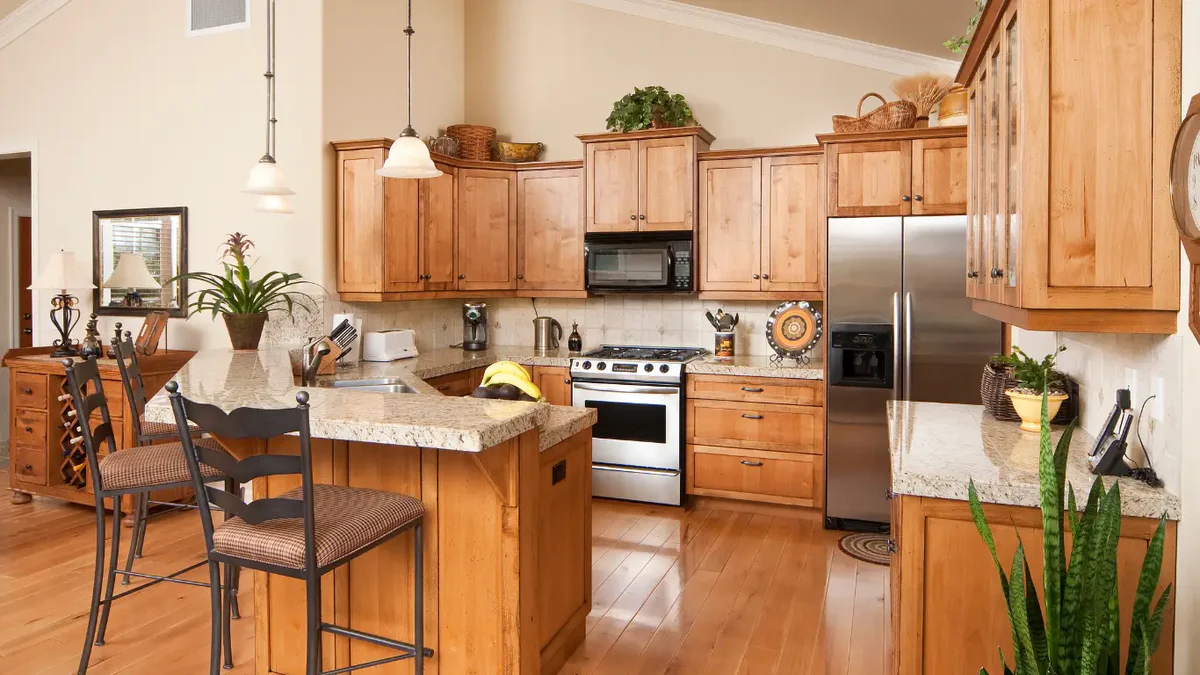
Hardwoods come from deciduous trees and are valued for their density and visual character. They’re a favorite among homeowners who prioritize durability and resale value.
Oak
Oak is widely used because it handles heavy use and resists dents. Its bold grain complements traditional and farmhouse-style kitchens.
- Tough surface
- Accepts stain well
- Mid-range pricing
Maple
Maple provides a smooth, consistent look that suits modern and transitional spaces. It also paints evenly.
- Highly durable
- Subtle grain
- Mid to upper price range
Cherry
Cherry develops deeper color over time, creating warmth and elegance. It’s slightly softer than maple but still reliable.
- Rich natural tones
- Ages beautifully
- Premium cost
Walnut
Walnut stands out with dark, dramatic coloring and refined texture. It’s commonly used in luxury cabinetry.
- Naturally deep hues
- Sophisticated appearance
- Higher-end investment
Why choose hardwood?
- Long lifespan
- Can be refinished
- Adds home value
Things to consider
Hardwood cabinets cost more upfront and need proper sealing to manage moisture.
Softwood Cabinets: Affordable Options with Natural Charm
Softwoods come from evergreen trees and offer lighter density with visible character. They’re often chosen for rustic or budget-conscious designs.
Pine
Pine is the most common softwood for cabinets. Knots and grain patterns give it a casual, cozy feel.
- Budget-friendly
- Easy to customize
- Dents more easily
Fir and Cedar
Less common but sometimes used in specialty projects. Cedar provides natural moisture resistance but less strength.
Benefits of softwood
- Lower initial cost
- Ideal for cottage or farmhouse styles
- Easy to shape
Limitations
Softwoods require extra care and may show wear sooner.
Engineered Wood Cabinets: Consistency for Modern Homes
Engineered woods are made by bonding fibers or layers together. They’re popular for their stability and affordability.
Plywood
Plywood is commonly used for cabinet boxes due to its strength and resistance to warping.
- Holds screws well
- Handles humidity better than particleboard
- Used in many quality builds
MDF (Medium-Density Fiberboard)
MDF offers a smooth surface perfect for painted cabinets.
- Uniform appearance
- Excellent paint results
- More affordable than solid wood
Particleboard
Particleboard is the lowest-cost option and common in entry-level cabinets. However, it performs poorly around moisture.
Why engineered materials are popular
- Budget-friendly
- Stable construction
- Consistent finish
Drawbacks
Lower-grade products may not last in damp environments.
Typical Cabinet Wood Cost Levels
While pricing varies by region, cabinet woods usually fall into these tiers:
- Entry level: Particleboard and pine
- Mid range: Oak and plywood
- Upper mid range: Maple and cherry
- Premium: Walnut and custom hardwood
Remember, final cabinet costs also include door styles, finishes, hardware, and installation.
Factors Beyond Wood That Affect Cabinet Pricing
Wood type alone doesn’t determine your total investment.
Cabinet Construction
- Stock cabinets: Lowest cost
- Semi-custom: Moderate flexibility
- Custom: Highest cost, full design control
Finishes and Decorative Details
Paint, glazing, and specialty stains increase labor and material expenses.
Door Designs
Flat-panel doors are economical, while raised or inset doors cost more.
Storage Upgrades
Soft-close hinges, pull-out shelves, and organizers improve usability but raise pricing.
Choosing the Right Cabinet Wood for Your Lifestyle
Your daily routine should guide your decision.
- Busy kitchen? Choose maple, oak, or plywood boxes.
- Prefer painted cabinets? MDF or maple works best.
- Tight budget? Pine, oak, or engineered wood offers value.
- Thinking resale? Cherry, maple, and walnut attract buyers.
Climate also matters. In humid regions, plywood cabinet boxes outperform particleboard.
Simple Maintenance Tips to Extend Cabinet Life
Protect your cabinets with basic care:
- Wipe spills immediately
- Use mild cleaners
- Install liners near sinks
- Tighten hinges annually
- Maintain stable indoor humidity
These steps help cabinets stay functional and attractive for decades.
Quick Voice Search Answers
What cabinet wood lasts the longest?
Maple and oak are among the most durable choices.
What is the cheapest cabinet material?
Particleboard and pine typically cost the least.
Are engineered cabinets worth it?
Yes, quality plywood and MDF provide excellent durability for the price.
Which cabinet wood increases home value most?
Maple, cherry, and walnut usually offer the strongest resale appeal.
Final Thoughts
Selecting cabinet wood is about balancing beauty, durability, and budget. Hardwoods bring lasting elegance, softwoods provide affordable charm, and engineered materials offer practical performance. By understanding each option and matching it to your lifestyle, you’ll create cabinets that serve your home well today and add value tomorrow.