Testing and Quality Control in Self Service Kiosk Manufacturing
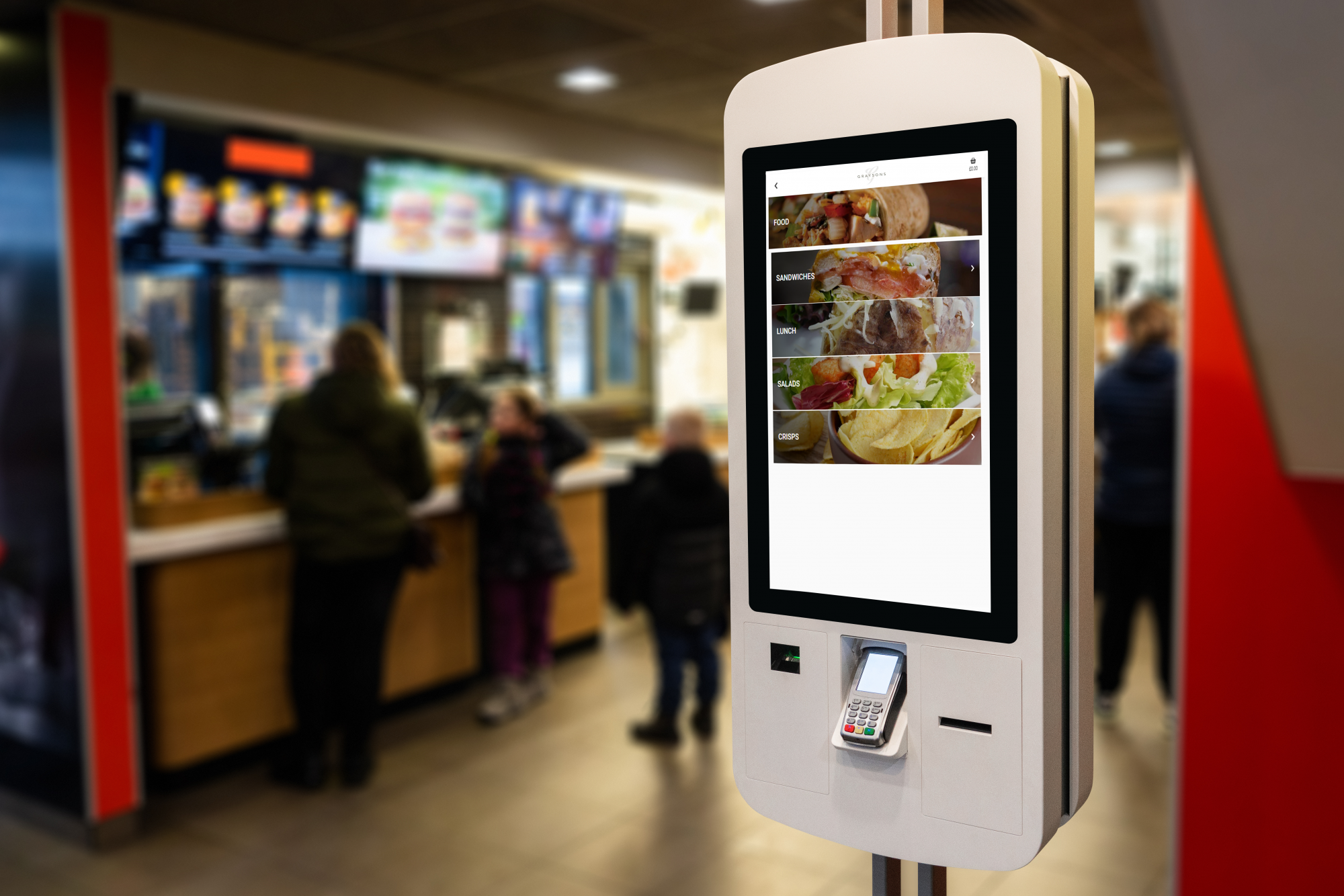
Self-service kiosks have become essential tools for businesses in retail, hospitality, healthcare, and transportation. Their ability to streamline operations, enhance customer experience, and reduce labor costs makes them a critical investment. However, the performance and reliability of these kiosks depend heavily on rigorous testing and quality control measures during manufacturing. By implementing comprehensive evaluation protocols, manufacturers ensure that each kiosk meets the highest standards of durability, safety, and functionality.
Importance of Testing and Quality Control
Testing and quality control are vital in the production of self-service kiosks to guarantee that the devices operate efficiently under diverse conditions. A dependable Self Service Kiosk Manufacturer integrates multiple testing stages into the production process, from initial component validation to final system checks. These procedures help prevent technical failures, reduce maintenance costs, and ensure a consistent user experience. Additionally, quality control protects businesses from potential operational disruptions and reputational damage that may result from malfunctioning kiosks.
Component Testing
The first step in quality assurance involves testing individual components. Touchscreens, card readers, printers, processors, and network modules are subjected to rigorous evaluations to verify their functionality, durability, and compatibility with the kiosk system. Touchscreens, for instance, undergo responsiveness and accuracy tests, while printers and card readers are stress-tested to ensure they can handle high volumes of transactions. By validating each component before assembly, manufacturers reduce the likelihood of hardware failures and improve the kiosk’s overall performance.
Software Testing
In addition to hardware, software quality is critical in self-service kiosks. Manufacturers conduct extensive software testing to confirm stability, compatibility, and security. This includes functional testing, where all software features are checked to ensure they work as intended, and integration testing, which verifies that software interacts correctly with hardware components and third-party systems such as payment gateways or inventory management platforms. Security testing is also essential, ensuring that sensitive customer data is encrypted and protected against unauthorized access. Continuous software validation prevents system crashes and maintains smooth operations.
Assembly and Structural Testing
After component and software validation, the kiosks are assembled, and structural integrity testing is performed. This involves verifying the alignment of enclosures, mounting of peripheral devices, and internal wiring. Kiosks are subjected to mechanical stress tests to ensure they can withstand repeated interactions, impacts, and environmental conditions such as temperature variations and humidity. Proper assembly and structural durability testing help prevent operational failures and extend the lifespan of the kiosk.
Environmental and Longevity Testing
Self-service kiosks often operate in high-traffic areas or outdoor environments, making environmental and longevity testing critical. Environmental testing simulates extreme conditions such as heat, cold, dust, and moisture to verify the kiosk’s resilience. Longevity testing evaluates how the system performs over extended periods, simulating repeated interactions and high transaction volumes. These tests identify potential points of failure and allow manufacturers to reinforce weak components or improve system design before the kiosk reaches the market.
Compliance and Safety Testing
Compliance with international safety and regulatory standards is a key focus in quality control. Manufacturers test kiosks for adherence to certifications such as CE, UL, and FCC, ensuring electrical safety, electromagnetic compatibility, and overall user protection. Fire-resistant materials, proper insulation, surge protection, and secure wiring are evaluated to reduce safety risks. Compliance testing not only protects users but also ensures that kiosks can be legally deployed in multiple regions.
Functional Testing in Real-World Scenarios
Before final delivery, kiosks undergo functional testing in real-world or simulated environments. This includes processing sample transactions, running software applications, and testing peripheral devices under typical operating conditions. By replicating everyday usage scenarios, manufacturers can confirm that the kiosk performs consistently and identify any minor issues that may need adjustment. This step ensures that the kiosks are deployment-ready and reliable for daily operations.
Final Inspection and Certification
The last stage of quality control involves a comprehensive final inspection. Every kiosk is reviewed to confirm that hardware, software, and structural elements meet predefined quality benchmarks. Serial numbers, test logs, and inspection reports are documented to maintain traceability and accountability. Upon successful inspection, kiosks are certified for shipment, providing businesses with confidence in the system’s reliability, safety, and performance.
Continuous Improvement and Feedback
Leading self-service kiosk manufacturers implement continuous improvement processes in their testing and quality control procedures. Feedback from deployed kiosks, customer experiences, and technological advancements are analyzed to refine manufacturing standards. Regular updates to testing protocols and quality benchmarks ensure that future kiosk models maintain high performance and adapt to evolving market requirements.
Conclusion
Testing and quality control are integral to the manufacturing of self-service kiosks. Through component testing, software validation, structural assessments, environmental simulations, safety compliance, and real-world functional evaluations, manufacturers ensure that kiosks are reliable, durable, and secure. By maintaining strict quality standards, self-service kiosk manufacturers deliver products that enhance operational efficiency, reduce downtime, and provide a consistent and safe user experience. These processes ensure that businesses can confidently deploy kiosks that meet customer expectations and withstand demanding operational environments.