The Overlooked Role of Dentistry in Treating Sleep Apnoea
Sleep apnoea is a serious sleep-related breathing disorder that affects millions of people worldwide. Characterised by repeated pauses in breathing during sleep, it can lead to daytime fatigue, poor concentration, headaches, and long-term health complications such as high blood pressure, heart disease, and diabetes. While many people associate sleep apnoea treatment with sleep clinics or respiratory devices, dentistry has emerged as a vital part of modern, patient-friendly solutions.
Understanding how dental professionals contribute to sleep apnoea management can help individuals seek timely and effective care, especially those struggling with traditional treatment methods.
Understanding Sleep Apnoea and Its Impact on Daily Life
Sleep apnoea occurs when the airway becomes partially or completely blocked during sleep, reducing oxygen flow to the brain and body. The most common form is obstructive sleep apnoea (OSA), which is often linked to jaw position, tongue collapse, and relaxed throat muscles.
People with untreated sleep apnoea frequently experience loud snoring, restless sleep, morning headaches, dry mouth, and excessive daytime sleepiness. Over time, the constant sleep disruption places strain on the cardiovascular system and significantly reduces overall quality of life. Many individuals remain undiagnosed for years, assuming their symptoms are simply part of stress or ageing.
Early diagnosis and appropriate treatment are essential to prevent these long-term complications and restore healthy sleep patterns.
How Dental Expertise Supports Sleep Apnoea Treatment
A modern sleep apnoea dentist plays a specialised role in managing airway-related sleep disorders through oral appliance therapy. Unlike traditional approaches that rely solely on machines or medication, dental solutions focus on correcting jaw and tongue positioning to keep the airway open during sleep.
Dentists trained in sleep medicine carefully assess the structure of the mouth, jaw alignment, bite, and airway space. Based on these findings, they design custom-fitted oral appliances that gently reposition the lower jaw or tongue forward, preventing airway collapse without invasive procedures.
This approach is especially beneficial for patients with mild to moderate obstructive sleep apnoea or those who cannot tolerate continuous positive airway pressure (CPAP) machines.
Oral Appliances: A Comfortable Alternative to CPAP
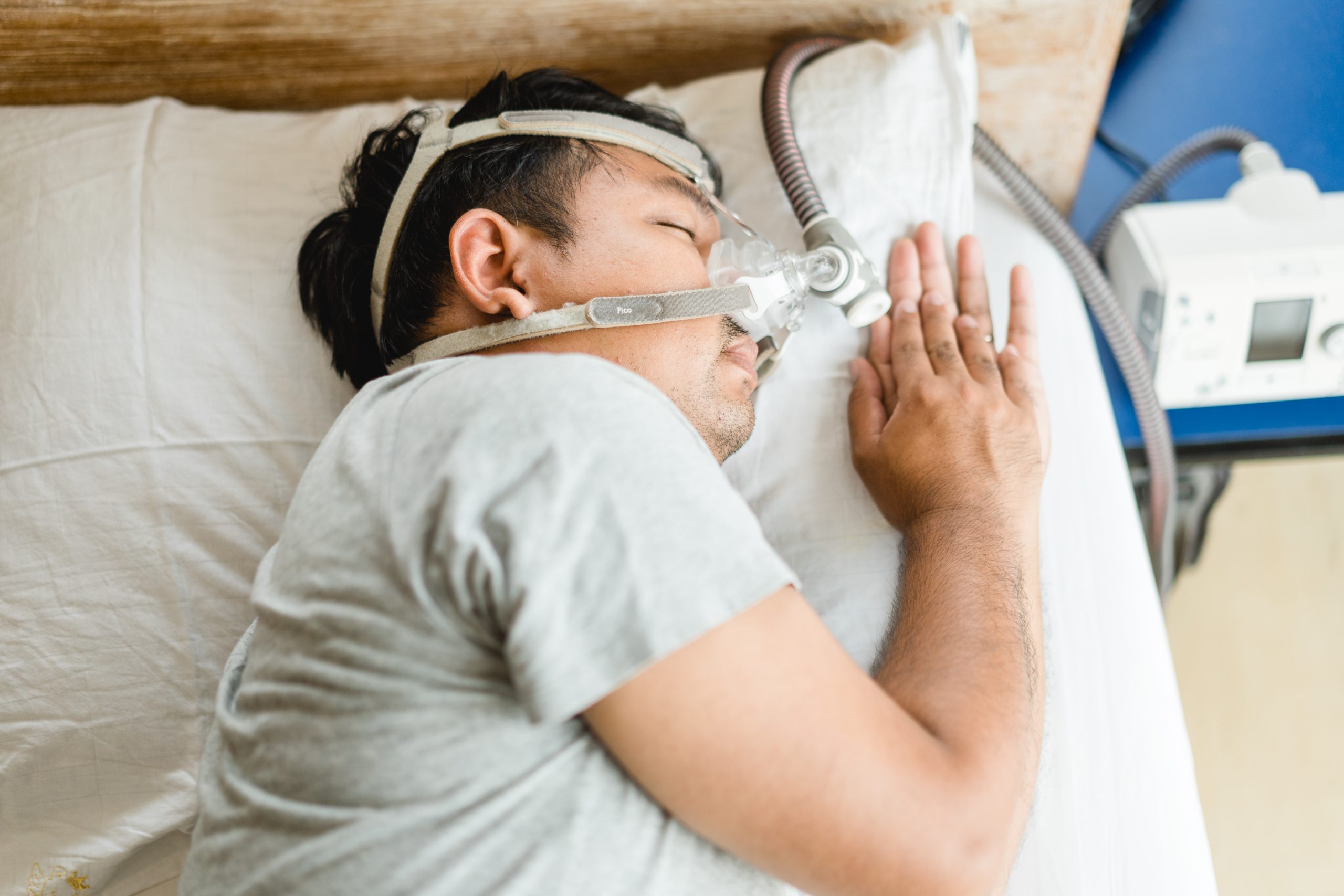
CPAP therapy has long been considered the gold standard for sleep apnoea treatment, but many patients struggle with mask discomfort, air pressure intolerance, and device noise. Oral appliances offer a discreet, portable, and comfortable alternative that fits easily into nightly routines.
Custom dental devices are worn like a mouthguard during sleep. They are designed to maintain airway openness while allowing natural jaw movement. Unlike over-the-counter products, professionally fitted appliances are adjusted precisely for comfort and effectiveness, reducing side effects such as jaw soreness or bite changes.
For frequent travellers or individuals seeking a less intrusive solution, oral appliances often improve treatment compliance and long-term outcomes.
The Process of Dental Sleep Apnoea Care
Dental sleep apnoea management typically follows a collaborative approach involving sleep physicians and dental professionals. Patients usually undergo a sleep study first to confirm the diagnosis and severity of sleep apnoea. Once diagnosed, dental treatment may be recommended as a primary or supportive therapy.
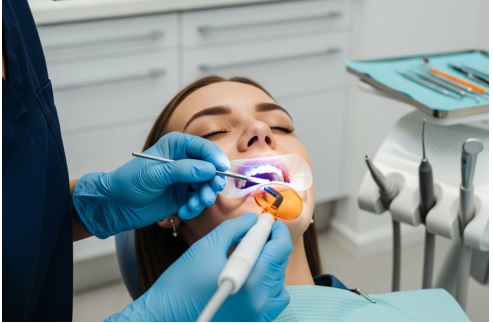
The dental process includes a detailed oral examination, digital impressions or scans, and appliance customisation. Follow-up appointments are essential to fine-tune the appliance and ensure it remains effective as the patient adapts to wearing it.
Ongoing monitoring helps maintain treatment success and ensures that sleep quality continues to improve over time.
Benefits Beyond Better Sleep
Treating sleep apnoea through dental solutions offers benefits that extend beyond improved rest. Patients often report reduced snoring, increased daytime energy, enhanced focus, and improved mood. Many also notice a decrease in headaches and jaw tension once proper airway support is established.
From a health perspective, effective sleep apnoea management lowers the risk of cardiovascular issues, improves metabolic health, and supports immune function. Better sleep also positively impacts mental well-being, productivity, and overall quality of life.
These improvements highlight why addressing sleep apnoea should be viewed as a holistic health investment rather than a single-symptom treatment.
Who Can Benefit from Dental Sleep Apnoea Solutions
Dental sleep apnoea treatment is suitable for a wide range of individuals. It is particularly effective for patients with mild to moderate obstructive sleep apnoea, habitual snorers, and those who experience jaw-related airway obstruction.
It is also an excellent option for patients who have tried CPAP therapy without success or are seeking a more comfortable and lifestyle-friendly solution. Even individuals who do not yet have a formal sleep apnoea diagnosis but experience chronic snoring or disrupted sleep may benefit from a dental evaluation.
Early intervention can prevent symptoms from worsening and reduce the need for more complex treatments later.
The Importance of Professional Assessment
While oral appliances are highly effective, proper assessment and professional fitting are crucial. Self-prescribed devices or generic mouthguards may provide temporary relief but often fail to address the root cause of airway obstruction.
A trained dental professional ensures that the appliance supports healthy jaw function while maintaining long-term comfort and effectiveness. Regular follow-ups help identify changes in bite alignment or sleep patterns, allowing timely adjustments.
This level of personalised care significantly improves treatment success and patient satisfaction.
A Growing Field in Preventive Healthcare
Dental sleep medicine continues to evolve as awareness of sleep disorders increases. More healthcare professionals now recognise the importance of collaborative care, where dentists, sleep physicians, and general practitioners work together to deliver comprehensive treatment.
As research advances, dental approaches to sleep apnoea are becoming more refined, offering patients non-invasive, evidence-based solutions tailored to their individual needs.
For individuals struggling with sleep disruption, chronic fatigue, or loud snoring, exploring dental sleep apnoea care can be a life-changing step toward better health and restorative sleep.
Final Thoughts
Sleep apnoea is more than just a sleep issue—it is a condition that affects nearly every aspect of physical and mental well-being. Dentistry has become a powerful ally in addressing this condition through customised, patient-friendly solutions.
By focusing on airway support, comfort, and long-term compliance, dental sleep apnoea treatment offers a practical path toward healthier sleep and improved quality of life. Seeking professional evaluation and personalised care is the first step toward breathing easier and waking up refreshed every day.