Types of Medical Device Connectors Used in Hospitals
Introduction
Medical device connectors are essential components in hospitals, providing reliable electrical and data connections between sensors, monitoring systems, diagnostic equipment, and therapeutic devices. These connectors ensure accurate signal transmission, consistent power delivery, and overall device reliability. With the increasing complexity of medical equipment, hospitals depend on high-quality connectors to maintain patient safety, improve operational efficiency, and support advanced diagnostic and therapeutic procedures.
Overview of Common Connector Types
Medical devices use a variety of connectors, each designed for specific applications and requirements. These connectors vary in size, shape, electrical capacity, and durability, depending on the device and its intended use. For hospitals and healthcare providers seeking reliable and compliant solutions, medical device connectors are available in multiple configurations to meet different clinical needs. Understanding the types of connectors commonly used in hospitals helps healthcare facilities make informed decisions when acquiring or maintaining medical equipment.
Circular Connectors
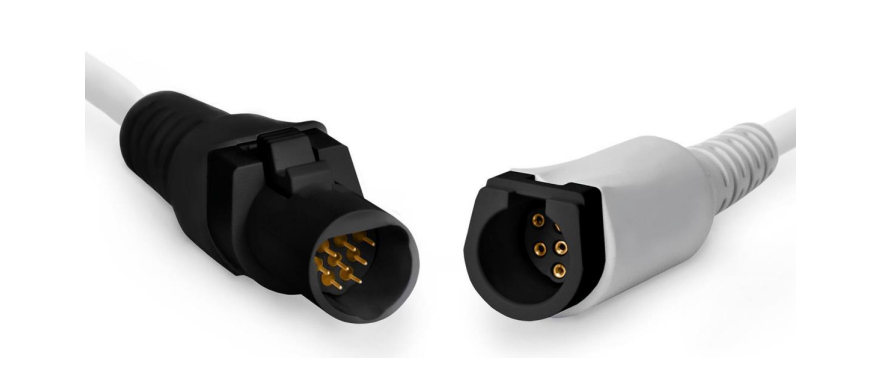
Circular connectors are widely used in hospital settings due to their robust mechanical design and ease of use. They typically feature a round housing with multiple pins or contacts, providing secure connections for electrical and data signals. Circular connectors are particularly suitable for patient monitoring systems, surgical instruments, and portable diagnostic devices. Their durability, resistance to vibration, and ability to handle multiple connections make them ideal for high-stress hospital environments where reliability is critical.
Rectangular Connectors
Rectangular connectors offer compact and space-efficient solutions for medical devices that require multiple signal paths. They are commonly found in imaging equipment, laboratory instruments, and telemedicine systems where space is limited but high-density connections are needed. Rectangular connectors are designed to provide stable connections while accommodating a higher number of pins in a small footprint. Their design ensures precise alignment and minimizes the risk of misconnection during device setup or maintenance.
Modular Connectors
Modular connectors are designed for flexibility and ease of use in medical equipment. These connectors allow components to be quickly connected or disconnected, facilitating maintenance, calibration, or equipment upgrades without compromising device functionality. Modular connectors are commonly used in devices like infusion pumps, ventilators, and patient monitoring systems where frequent attachment and detachment of sensors or modules is required. Their versatility enhances workflow efficiency in hospitals and reduces downtime for critical equipment.
High-Density Connectors
High-density connectors are designed to support large volumes of data and multiple signal pathways in compact medical devices. They are particularly valuable in advanced imaging systems, telemetry devices, and wearable patient monitors. High-density connectors maintain signal integrity while accommodating numerous contacts in a small form factor, allowing hospitals to use more sophisticated equipment without increasing device size. These connectors are engineered to withstand repeated mating cycles and environmental stress, ensuring reliable performance in demanding clinical environments.
Specialty Connectors
In addition to standard types, hospitals often use specialty connectors designed for specific applications or environments. These include waterproof connectors for devices used in wet or sterile environments, quick-lock connectors for emergency equipment, and low-profile connectors for portable or wearable devices. Specialty connectors are engineered to meet stringent safety and performance standards, ensuring accurate and secure connections even in challenging conditions. Hospitals rely on these connectors to maintain the functionality and safety of critical medical devices.
Materials and Durability Considerations
The materials used in medical device connectors significantly impact their durability and performance. Conductive elements are typically made from copper alloys with gold or silver plating to ensure low contact resistance and corrosion resistance. Housings and insulators are made from high-performance plastics, polymers, or composites that can withstand repeated sterilization, heat, and chemical exposure. Durable connectors help prevent device malfunctions, reduce maintenance costs, and enhance patient safety in hospitals.
Conclusion
Medical device connectors are vital components that ensure the safe and reliable operation of hospital equipment. From circular and rectangular connectors to modular, high-density, and specialty designs, each type serves a specific purpose in supporting medical devices. High-quality connectors maintain signal integrity, provide durability, and comply with regulatory standards, ensuring patient safety and operational efficiency. Investing in reliable medical device connectors is essential for hospitals seeking to maintain the performance, longevity, and safety of their medical equipment in demanding clinical environments.