Understanding Dual Pricing Payment Processing and How It Benefits Merchants
In the fast-evolving world of payment solutions, businesses are constantly seeking strategies to reduce costs while maintaining convenience for customers. One increasingly popular method is dual pricing, which allows merchants to manage credit card fees more effectively without compromising the customer experience. Understanding this system and how it can benefit your business is essential for modern merchants looking to optimize operations and profitability.
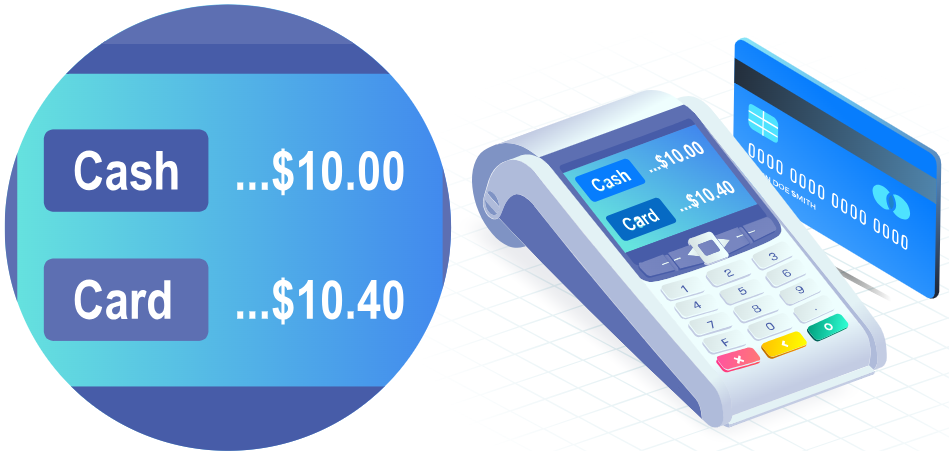
Dual pricing provides a structured approach where businesses offer two prices for the same product or service: one for customers paying with cash and another for those using credit or debit cards. Implementing Dual Pricing Payment Processing allows merchants to transparently pass card processing fees to customers who choose to pay electronically, while offering a discounted price for cash payments. This system helps maintain profit margins without deterring card users, making it an appealing option for small and medium-sized enterprises.
What Dual Pricing Payment Processing Means
At its core, dual pricing involves displaying two separate prices: a lower cash price and a slightly higher card price. The difference typically corresponds to the interchange and processing fees the merchant would otherwise absorb. By doing this, merchants can reduce the impact of rising credit card fees on their bottom line.
It’s important to note that dual pricing is fully compliant when implemented according to card brand rules and state regulations. Proper signage and customer disclosure are key components to ensure transparency and legal compliance.
Benefits for Merchants
The primary advantage of dual pricing is cost control. Credit card processing fees can range from 1.5% to 4% per transaction, and for high-volume businesses, these costs accumulate quickly. Dual pricing ensures that the fees are covered by the appropriate customer segment, preserving the merchant’s revenue.
Additionally, dual pricing offers flexibility. Businesses can incentivize cash payments without forcing customers to avoid cards. This balance helps retain convenience while managing operational costs. Merchants in industries such as restaurants, retail, and service sectors find this especially useful, as these businesses often experience high card transaction volumes.
Increased Transparency and Customer Trust
Dual pricing also improves transparency. When customers clearly see the difference between cash and card prices, they understand the rationale behind the pricing structure. This honesty fosters trust and encourages informed payment choices. Customers who are price-sensitive may opt for cash, while those prioritizing convenience continue using cards.
How It Impacts Cash Flow
By encouraging cash payments through discounts, dual pricing can improve immediate cash flow. Cash transactions reduce the time it takes for funds to reach the business’s account, compared to credit card settlements. This benefit is particularly significant for small businesses managing day-to-day expenses, payroll, and inventory purchases.
Compliance Considerations
Implementing dual pricing requires careful attention to compliance. Card brands often have specific rules regarding disclosure and pricing presentation. Merchants must ensure that customers are informed of the pricing difference at the point of sale, typically through clear signage. Failing to comply can result in penalties or disputes.
Choosing a payment processing provider familiar with dual pricing can simplify compliance. They can provide the necessary tools and guidance to set up systems that adhere to regulations and provide smooth customer experiences.
Which Businesses Benefit Most from Dual Pricing
While dual pricing can work for almost any merchant accepting electronic payments, certain businesses see particularly strong results:
- Retail stores with high daily transaction volumes
- Restaurants and cafés with frequent small purchases
- Service-based businesses such as salons and repair shops
- Small and medium-sized enterprises operating on thin margins
- Seasonal businesses aiming to maximize revenue during peak periods
These businesses benefit most because the savings on card processing fees can have a direct and noticeable impact on profit margins.
Choosing the Right Provider
Working with the right provider ensures a successful dual pricing implementation. The best providers offer:
- Transparent fee structures and clear guidelines
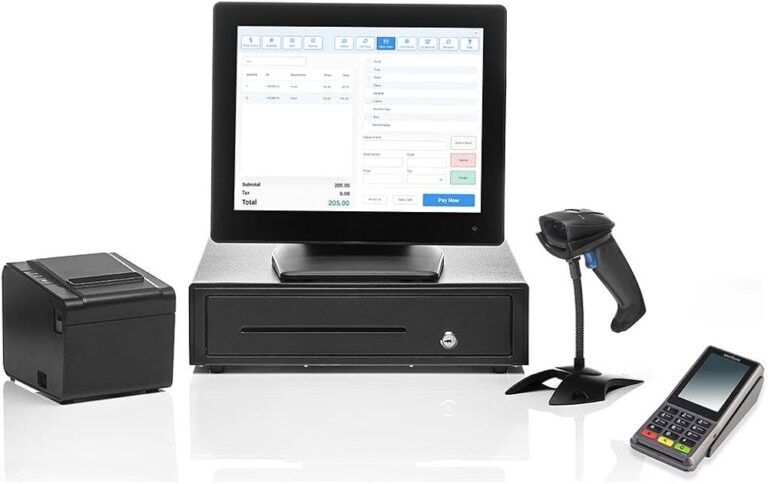
- Tools for POS integration to display dual pricing correctly
- Assistance with compliance and signage requirements
- Reporting features to monitor savings and customer behavior
A reliable provider simplifies the process, reduces errors, and ensures that businesses enjoy the financial benefits of dual pricing without complications.
Final Thoughts
Dual pricing payment processing presents a practical solution for merchants seeking to balance customer convenience with financial efficiency. By offering differentiated pricing for cash and card transactions, businesses can reduce payment processing costs, improve cash flow, and maintain transparency with customers. For merchants navigating rising credit card fees, adopting a dual pricing strategy is a forward-thinking approach that supports long-term sustainability and profitability.