Why pH Sensors Are Essential in Chemical Processing
Chemical processing requires precision, consistency, and continuous control to ensure that reactions occur safely and efficiently. Among the many analytical tools used in these environments, the pH sensor stands out as one of the most critical. Its ability to measure acidity and alkalinity in real time supports everything from product quality to plant safety. Without accurate pH monitoring, many industrial processes would experience unpredictable outcomes, increased waste, and costly disruptions.
The chemical industry deals with substances that often react intensely based on pH levels. Acids, bases, solvents, and catalysts all behave differently depending on hydrogen ion concentration. Because many reactions must occur within very specific pH ranges, continuous monitoring helps operators maintain ideal conditions. Even slight deviations can alter reaction pathways, reduce yield, or cause hazardous byproducts, making accurate measurement indispensable.
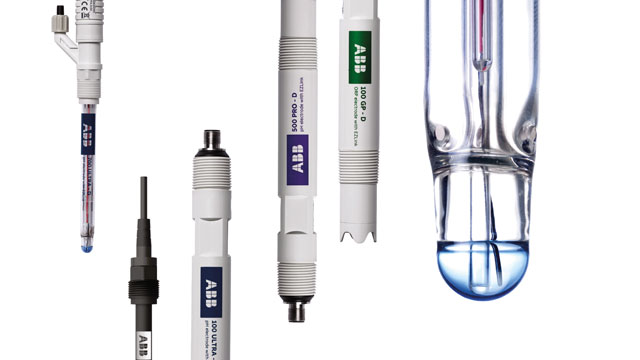
In most facilities, a modern pH sensor serves as a core component of automated control systems. By transmitting real-time data to process controllers, the sensor helps regulate dosing, mixing, and neutralization steps. This ensures that chemical reactions remain stable and predictable, reducing the risk of accidents and maintaining compliance with strict industry standards. Its role is especially important in plants handling corrosive materials or delicate formulations requiring tight pH tolerances.
Importance of pH Control in Industrial Reactions
Many chemical reactions depend on precise pH levels to proceed correctly. For example, polymerization processes often require specific acidity conditions to achieve the desired molecular structure. In pharmaceutical manufacturing, pH influences the solubility and stability of active ingredients. Even slight variations can impact product performance or safety.
Accurate pH monitoring also plays a major role in neutralization processes, where acids and bases are combined to achieve a balanced state. Without timely pH measurements, these reactions may overshoot or remain incomplete, leading to wasted chemicals and potential hazards. By ensuring stable conditions, operators can maintain smooth production and minimize risk.
Enhancing Safety and Risk Management
Safety is a major priority in chemical plants, and proper pH monitoring helps prevent dangerous situations. Sudden pH shifts can indicate contamination, equipment malfunction, or unwanted reactions. When detected early, these issues can be addressed before escalating into safety incidents.
Automated systems equipped with reliable pH sensors can shut down processes, activate alerts, or adjust chemical dosing when values fall outside acceptable ranges. This reduces reliance on manual checks and significantly enhances plant safety. The continuous nature of pH data provides operators with a clear understanding of system health at all times.
Improving Product Quality and Consistency
Consistency is crucial in chemical processing, especially when producing materials that must meet strict specifications. pH directly influences properties such as color, viscosity, solubility, and purity. By maintaining stable pH conditions, manufacturers can achieve uniform results across batches.
Industries such as cosmetics, adhesives, coatings, and specialty chemicals rely on accurate pH control to ensure that final products perform as intended. Without reliable monitoring tools, variations in quality could lead to customer complaints, increased production costs, and regulatory complications.
Role of pH Sensors in Waste Treatment and Environmental Compliance
Chemical plants must manage waste streams responsibly to protect the environment and comply with regulations. pH sensors are widely used in wastewater treatment systems to ensure that discharged water meets legal requirements. Neutralization tanks, sedimentation basins, and filtration systems all depend on accurate pH monitoring to function effectively.
Maintaining proper pH levels prevents the release of harmful substances into local ecosystems and reduces the risk of penalties for non-compliance. Continuous monitoring also helps optimize chemical usage during treatment, lowering operational expenses.
Increasing Efficiency Through Process Automation
Modern chemical facilities increasingly rely on automation to achieve higher productivity and lower costs. pH sensors play a vital role in this shift by providing fast, reliable data needed for automated decision-making. Integrating pH measurement into process control systems allows for precise adjustments without human intervention.
This not only improves efficiency but also enhances safety and consistency. As digital technologies continue to evolve, pH sensors will remain central to advanced monitoring solutions, ensuring stable and efficient operations across the chemical industry.
Supporting Long-Term Operational Reliability
Reliable pH monitoring contributes to the long-term success of chemical processing operations. By providing accurate data, reducing risk, and supporting consistent product quality, pH sensors help facilities maintain smooth production workflows. Their role in environmental protection and regulatory compliance further underscores their importance. Chemical processing depends on precision, and pH sensors deliver the essential insights needed to keep complex reactions under control.